

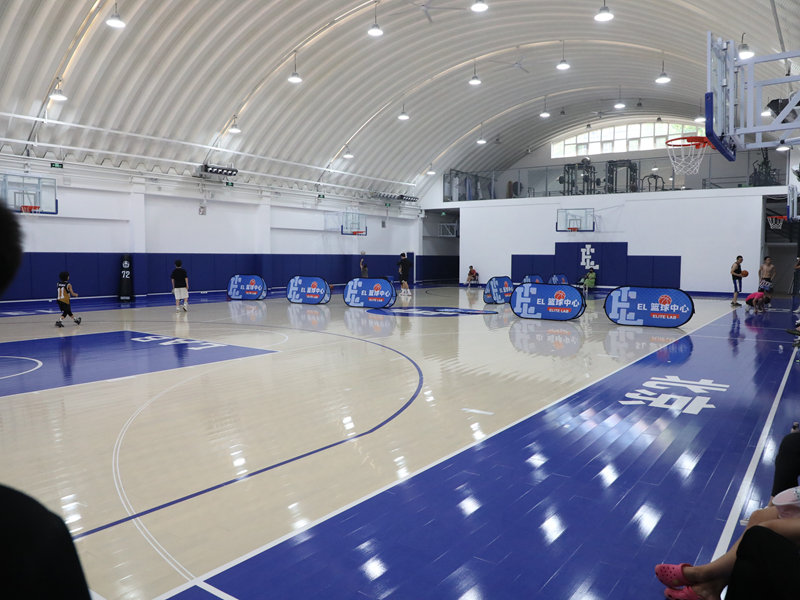
Purchasing portable indoor sports wooden flooring is a significant investment, and the market offers a wide range of options. Making the right choice requires understanding the key factors that separate a good system from a great one. Here is what to evaluate before you buy.
Factor 1: Top Layer Material and Thickness
The surface layer is what athletes interact with directly. Hard maple is the gold standard for basketball and most indoor sports due to its density, consistent grain, and excellent ball response. Oak and birch are also used but are less common for high-performance applications. The top layer should be at least three to four millimeters thick to allow for multiple refinishing cycles over the floor's lifetime.
Factor 2: Total Panel Thickness
Total thickness affects performance. Thinner panels may not provide adequate shock absorption, while overly thick panels add unnecessary weight and cost. The sweet spot for most sports is between eighteen and twenty-two millimeters. Check that the thickness meets the standards required by the sports you intend to play.
Factor 3: Connection System
The connection system is the heart of a portable floor. It must hold panels together firmly during play but allow quick disassembly. Look for systems that use precision-machined joints rather than simple overlap designs. The best systems have self-aligning features that guide panels into position, reducing installation errors. Avoid systems that rely solely on friction or gravity to stay connected.
Factor 4: Subframe Design
The subframe supports the panels and determines the floor's stability. Metal subframes are stronger and more durable but heavier. Composite subframes are lighter and easier to transport but may be less rigid. Ensure the subframe is adjustable for leveling and that it distributes weight evenly across the entire surface.
Factor 5: Certification and Testing
Ask for test reports showing compliance with relevant standards. DIN 18032 for sports flooring, EN 14904 for indoor sports surfaces, and ITF standards for tennis are the most common. A reputable system will have independent lab testing to back up its claims. If a seller cannot provide certification documentation, that is a red flag.
Factor 6: Finish Quality
The finish affects both performance and appearance. A matte or semi-gloss finish is standard for sports floors because it provides the right level of friction without excessive glare. The finish should be durable enough to withstand heavy foot traffic and cleaning chemicals. Ask about the type of finish used and how many coats are applied.
Factor 7: Warranty
A good warranty reflects the manufacturer's confidence in the product. Look for warranties that cover structural integrity, connection performance, and surface wear. Warranties of five to ten years are typical for quality portable systems. Be wary of extremely short warranties or warranties that exclude normal wear.
Factor 8: Supplier Support
Buying a floor is only the beginning. You need a supplier who can provide installation guidance, replacement parts, and technical support. Choose a supplier with a proven track record and responsive customer service.
Leave a Reply