

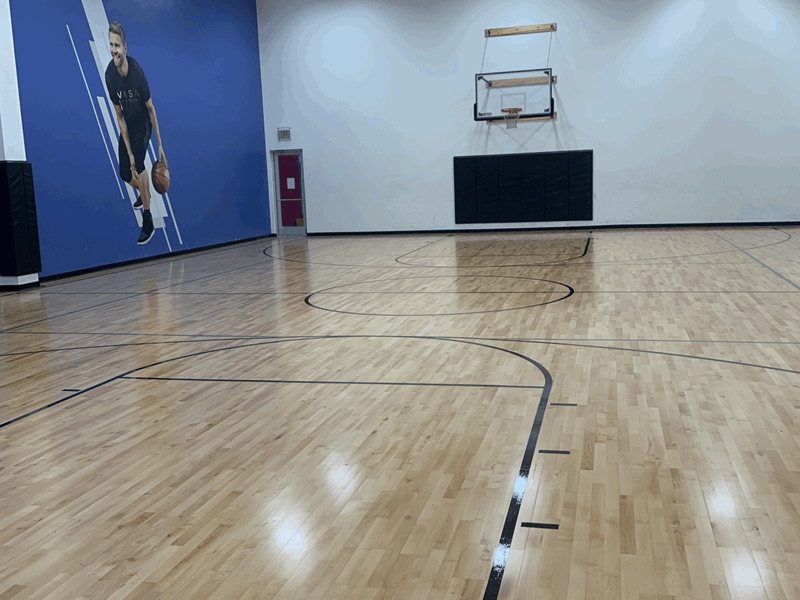
When it comes to indoor basketball court flooring, there are several materials to choose from, each with its own set of advantages and disadvantages. Understanding the characteristics of these materials can help arena owners and managers make an informed decision that best suits their needs and budget.
One of the most popular choices for indoor basketball court flooring is hardwood. Hardwood floors, typically made from maple or oak, are known for their durability, shock absorption, and aesthetic appeal. They provide a smooth, consistent surface that is ideal for basketball, offering excellent traction and ball bounce. However, hardwood floors require regular maintenance, including sanding, refinishing, and resurfacing, to keep them in top condition. They are also susceptible to moisture damage, which can lead to warping or cupping if not properly managed.
Another option is synthetic flooring, such as vinyl or rubber. Synthetic floors are often more affordable than hardwood and require less maintenance. They are resistant to moisture, making them suitable for areas with high humidity or where spills are common. Synthetic floors also offer good shock absorption and traction, although they may not provide the same level of ball bounce as hardwood. Additionally, synthetic materials can be customized with various colors and designs, allowing for greater creativity in court aesthetics.
For those seeking a more eco-friendly option, cork flooring is worth considering. Cork is a renewable resource that offers excellent shock absorption and comfort underfoot. It is also naturally resistant to mold and mildew, making it a good choice for indoor environments. However, cork floors may not be as durable as hardwood or synthetic options and may require more frequent replacement or repair.
Finally, there is the option of modular or interlocking flooring systems. These systems consist of individual tiles or panels that can be easily installed, removed, or reconfigured as needed. Modular floors are often made from durable materials like rubber or plastic and offer good shock absorption and traction. They are also versatile, allowing for quick changes in court layout or the addition of graphics or logos. However, modular floors may not provide the same level of ball bounce as hardwood and may require more frequent cleaning to prevent dirt and debris from accumulating in the seams.
In summary, the choice of indoor basketball court flooring material depends on various factors, including budget, maintenance requirements, durability, and aesthetic preferences. By carefully considering these factors, arena owners and managers can select a floor that meets their specific needs and provides a safe, enjoyable playing environment for basketball enthusiasts.
Leave a Reply