

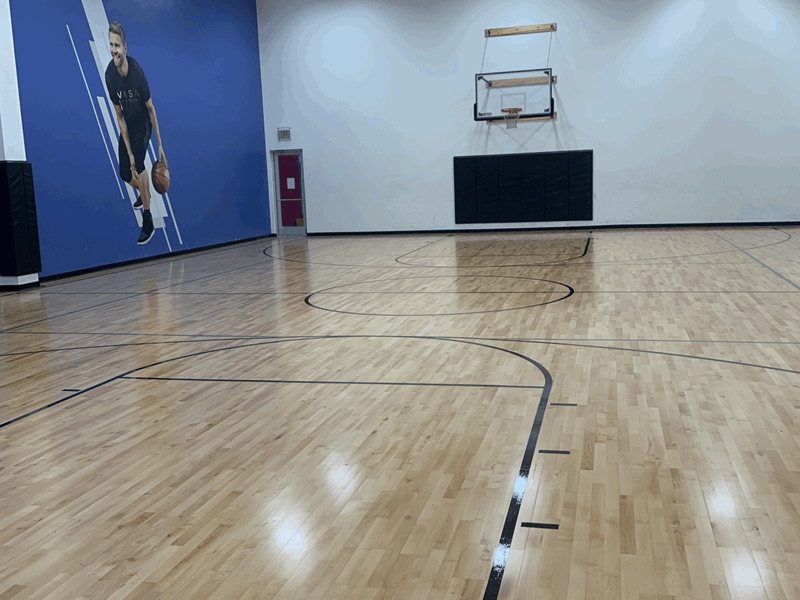
Injury prevention is a top priority for any sports facility, and indoor sports flooring plays a crucial role in this effort. The right flooring can help to reduce the risk of injuries by providing optimal shock absorption, traction, and stability.
Shock absorption is particularly important in preventing injuries related to impact forces. When athletes jump, run, or pivot on a hard surface, their joints and muscles are subjected to significant stress. A floor with excellent shock absorption helps to distribute these forces evenly, reducing the strain on the body and lowering the risk of injuries such as sprains, fractures, and stress fractures.
Traction is also essential for injury prevention. A floor with good traction provides athletes with the confidence to make quick turns and sudden stops without slipping, which can help to prevent falls and collisions. Poor traction, on the other hand, can lead to hesitancy and a lack of agility, increasing the risk of accidents and injuries.
Stability is another key factor in injury prevention. A stable floor is less likely to shift or move underfoot, providing athletes with a secure and reliable playing surface. This is particularly important for sports that require precise footwork and balance, such as gymnastics and dance.
In addition to these physical characteristics, the maintenance and upkeep of the flooring also play a role in injury prevention. A well-maintained floor is less likely to have hazards such as loose tiles, cracks, or uneven surfaces that can cause trips and falls. Regular cleaning and inspection can help to identify and address potential issues before they lead to injuries.
In summary, indoor sports flooring is a critical component of injury prevention in sports facilities. By selecting the right flooring with optimal shock absorption, traction, stability, and maintenance, facilities can create a safer environment for athletes to train and compete.
Leave a Reply