

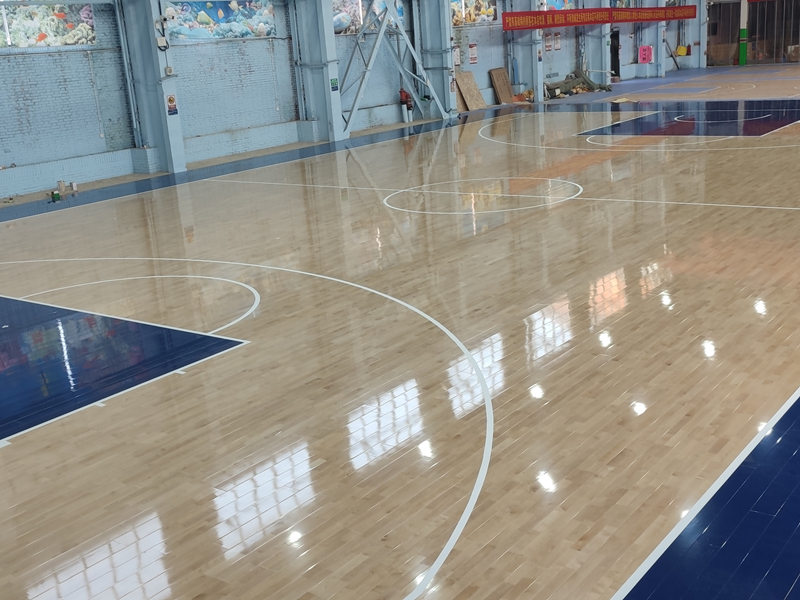
Indoor sports flooring plays a crucial role in athletic performance, influencing everything from speed and agility to endurance and injury prevention. The right flooring can enhance an athlete's abilities, while the wrong flooring can hinder their progress and increase the risk of injuries.
One of the key ways in which indoor sports flooring affects performance is through shock absorption. A floor with excellent shock absorption helps to reduce the impact forces on athletes' joints and muscles, allowing them to move more freely and with less fatigue. This is particularly important for high-impact sports such as basketball and volleyball, where athletes are constantly jumping and landing.
Traction is another important factor in athletic performance. A floor with good traction provides athletes with the confidence to make quick turns and sudden stops without slipping, enabling them to perform at their best. Poor traction, on the other hand, can lead to hesitancy and a lack of agility, limiting an athlete's effectiveness.
The durability of the flooring also plays a role in performance. A durable floor is less likely to suffer from wear and tear, ensuring a consistent playing surface over time. This consistency is important for athletes, as it allows them to develop and refine their skills without having to adapt to changing floor conditions.
Finally, the aesthetics of the flooring can also impact athletic performance. A visually appealing floor can create a positive and motivating environment for athletes, enhancing their focus and determination. Conversely, a dull or uninspiring floor may have a negative effect on morale and performance.
In conclusion, indoor sports flooring has a significant impact on athletic performance. By selecting the right flooring with optimal shock absorption, traction, durability, and aesthetics, sports facilities can create an environment that supports and enhances the abilities of their athletes.
Leave a Reply