

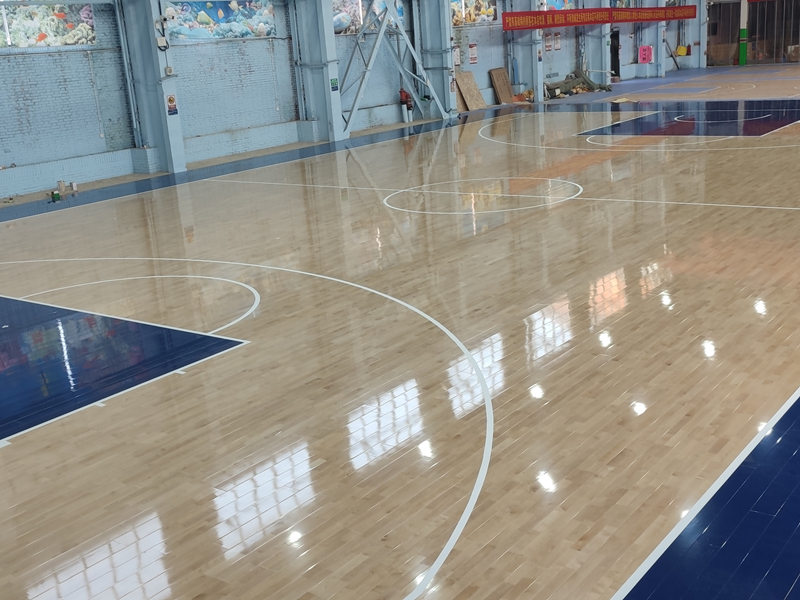
Climate can have a significant impact on the performance of sports wood flooring, affecting its durability, stability, and overall functionality. Sports facilities located in regions with extreme temperature fluctuations, high humidity levels, or frequent precipitation need to carefully consider the climate when selecting and maintaining their sports wood flooring.
Temperature fluctuations can cause sports wood flooring to expand and contract, leading to gaps, warping, or cupping. This can not only affect the aesthetic appeal of the floor but also compromise its structural integrity and safety. To mitigate these effects, sports facilities should choose floors that are designed to withstand temperature changes, such as those with multi-layered constructions that allow for slight movement without causing damage. Additionally, proper installation techniques, such as leaving expansion joints around the perimeter of the floor, can help accommodate temperature-induced expansion and contraction.
High humidity levels can also pose challenges for sports wood flooring, as excess moisture can cause the wood to swell, leading to similar issues as temperature fluctuations. To prevent moisture-related problems, sports facilities should ensure that their floors are properly sealed and finished to resist water penetration. Regular maintenance, such as cleaning up spills promptly and using dehumidifiers in humid environments, can also help maintain the floor's stability and durability.
Precipitation, whether in the form of rain, snow, or sleet, can also impact sports wood flooring if it is not properly protected. Outdoor sports facilities, in particular, need to ensure that their floors are designed to withstand the elements, such as by using weather-resistant finishes and materials. Indoor facilities should also be mindful of potential water damage from leaks or flooding and take steps to prevent moisture from entering the building.
In addition to these climate-related challenges, sports facilities should also consider the impact of climate on athlete performance. For example, a floor that is too cold or too hot can affect athletes' comfort and ability to perform at their best. Sports facilities should strive to maintain a comfortable indoor temperature and humidity level to create an optimal playing environment.
In conclusion, climate can have a significant impact on sports wood flooring performance, and sports facilities need to carefully consider the local climate when selecting and maintaining their floors. By choosing floors that are designed to withstand temperature fluctuations, high humidity levels, and precipitation, and implementing proper maintenance practices, sports facilities can ensure that their floors remain durable, stable, and safe for athletes to compete on.
Leave a Reply