

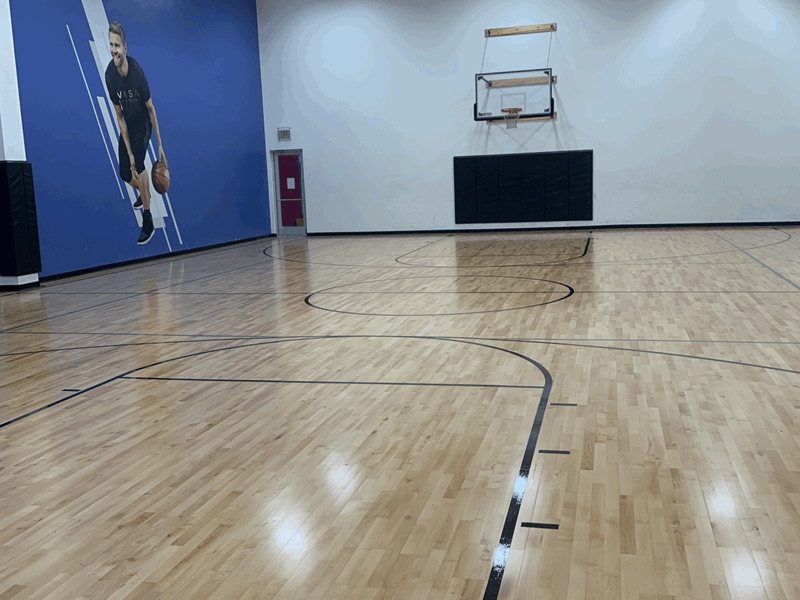
Wooden flooring has a long and rich history in sports venues, and it has evolved significantly over time to meet the changing needs of athletes and spectators. Understanding this evolution can provide insights into the current trends and future directions of wooden flooring in sports.
Early Beginnings
The use of wooden flooring in sports venues can be traced back to the early 20th century. At that time, wooden floors were primarily used in basketball courts, as basketball was becoming an increasingly popular sport. The early wooden floors were often made of simple planks of wood, and the installation methods were relatively crude. However, even in these early days, the benefits of wooden flooring, such as its shock - absorbing properties and visual appeal, were recognized.
Technological Advancements in the Mid - 20th Century
In the mid - 20th century, significant technological advancements were made in the production and installation of wooden flooring for sports venues. New wood species, such as maple, were discovered to have superior properties for sports flooring, and new installation techniques, such as the floating and glue - down methods, were developed. Additionally, the development of new finishes and coatings helped to improve the durability and appearance of the wooden floors. These advancements led to a widespread adoption of wooden flooring in sports venues around the world.
The Rise of High - Performance Flooring in the Late 20th Century
In the late 20th century, there was a growing demand for high - performance wooden flooring in sports venues. This was driven by the increasing popularity of professional sports and the need for floors that could withstand the high - intensity demands of elite athletes. Manufacturers responded by developing new types of wooden flooring systems that incorporated advanced shock - absorbing materials, such as rubber pads and foam layers. These systems provided even better protection for athletes and improved the overall performance of the floors.
Sustainability and Environmental Concerns in the 21st Century
In the 21st century, sustainability and environmental concerns have become major factors in the selection and production of wooden flooring for sports venues. There is a growing demand for wood that is sourced from sustainably managed forests, and manufacturers are developing new processes and materials that reduce the environmental impact of wooden flooring. Additionally, there is an increasing focus on the recyclability and
Leave a Reply