

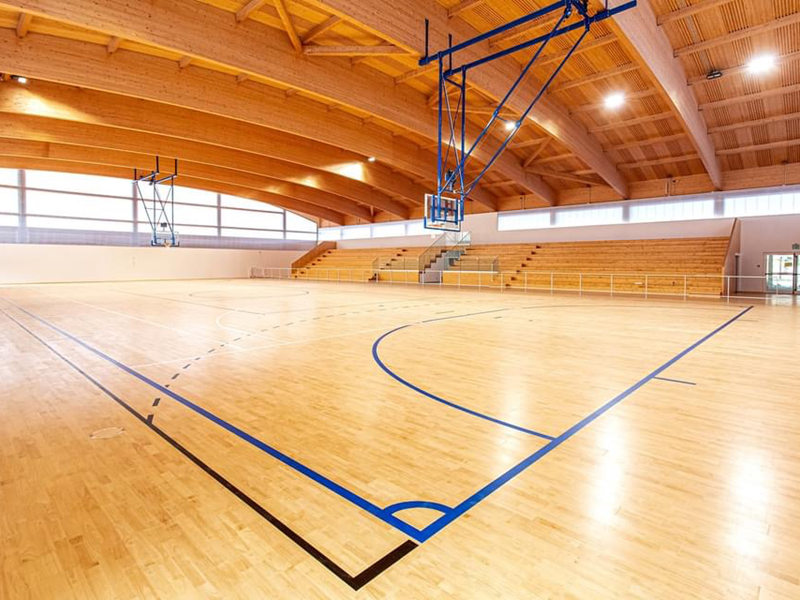
Indoor sports flooring has undergone a remarkable transformation over the years, evolving from simple wooden planks to sophisticated, high-performance materials designed to enhance athletic performance and safety. Initially, wooden floors were the go-to choice for indoor sports arenas, offering a basic yet functional surface for activities like basketball and volleyball. However, as sports science advanced, the limitations of wooden floors became apparent, leading to the development of more resilient and durable materials.
Modern indoor sports flooring incorporates advanced technologies such as shock absorption, energy return, and slip resistance, ensuring athletes can perform at their peak while minimizing the risk of injuries. Synthetic materials like polyurethane, vinyl, and rubber have become popular due to their superior properties, including ease of maintenance, longevity, and versatility. These materials can be customized to meet the specific needs of different sports, providing optimal traction, ball bounce, and shock absorption.
Furthermore, the installation techniques have also improved, with floating floor systems becoming increasingly common. These systems allow for better shock absorption and reduce the impact on athletes' joints, enhancing their overall performance and reducing fatigue. The evolution of indoor sports flooring reflects a broader trend towards creating safer, more efficient, and more enjoyable sports environments for athletes of all levels.
Leave a Reply