

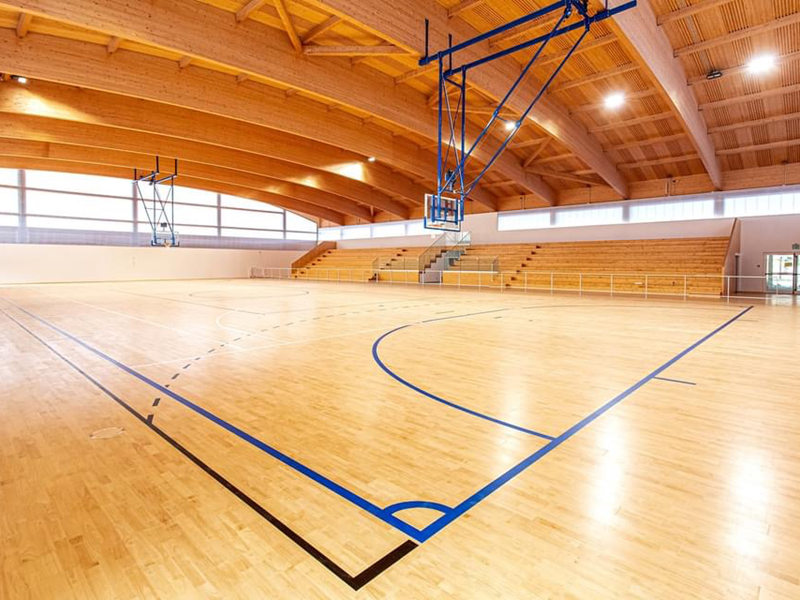
Indoor sports wood flooring has undergone a remarkable evolution over the years, transforming from simple wooden planks to highly engineered, performance-enhancing surfaces. This transformation is not merely aesthetic; it is rooted in the need to provide athletes with a safe, durable, and optimal playing environment. The importance of indoor sports wood flooring cannot be overstated, as it directly impacts the performance, safety, and overall experience of athletes across various sports disciplines.
Historically, wooden floors were chosen for their natural beauty and relative ease of installation. However, as sports became more competitive and the demand for higher performance surfaces grew, the industry began to innovate. Modern indoor sports wood flooring is now designed with specific sports in mind, incorporating features such as shock absorption, anti-slip properties, and precise ball bounce characteristics. These advancements have not only improved the playing experience but have also significantly reduced the risk of injuries, making sports safer for participants of all ages and skill levels.
The choice of wood species is crucial in the manufacturing of indoor sports flooring. Hardwoods like maple and oak are preferred due to their durability, stability, and resistance to wear and tear. These woods are carefully selected, dried, and processed to ensure they meet the stringent standards set by sports governing bodies. The layers of the flooring are engineered to provide optimal shock absorption, distributing the impact of jumps and falls evenly across the surface, thereby reducing stress on joints and muscles.
Moreover, indoor sports wood flooring is designed to withstand the rigors of heavy use. It is resistant to scratches, dents, and moisture, ensuring its longevity even in high-traffic areas. Regular maintenance, such as cleaning and refinishing, can further extend the life of the flooring, keeping it looking and performing like new for years to come.
In conclusion, indoor sports wood flooring has evolved from a basic necessity to a sophisticated, performance-enhancing component of modern sports facilities. Its importance lies not only in its aesthetic appeal but also in its ability to provide a safe, durable, and optimal playing environment for athletes. As sports continue to evolve, so too will the technology and design of indoor sports wood flooring, ensuring that it remains at the forefront of athletic performance and safety.
Leave a Reply