

Introduction
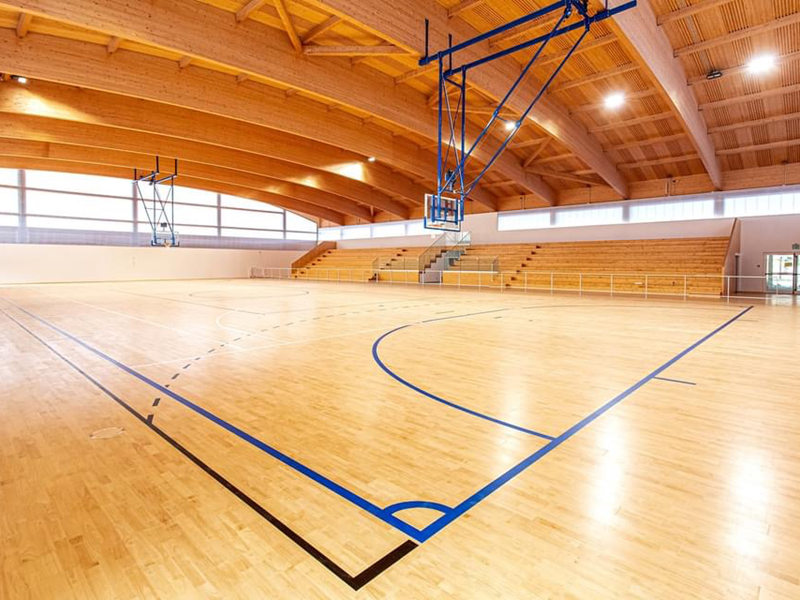
Indoor sports wood flooring has come a long way from its humble beginnings. It has evolved into a sophisticated and essential component of modern sports facilities, providing athletes with a safe, durable, and high-performance surface. This article explores the history, technological advancements, and the critical role that indoor sports wood flooring plays in enhancing athletic performance and safety.
Historical Context
The use of wood for sports flooring dates back centuries. Early sports arenas and gymnasiums utilized locally available wood species, which varied in quality and performance. As sports became more organized and competitive, the need for standardized and high-performance flooring became evident. This led to the development of specialized wood flooring systems designed to meet the demands of various sports.
Technological Advancements
Over the years, technological advancements have transformed indoor sports wood flooring. Modern systems incorporate advanced engineering techniques, such as multi-layer construction, shock absorption layers, and specialized finishes. These innovations ensure optimal performance, durability, and safety. For example, multi-layer systems consist of a top wear layer, a middle shock-absorbing layer, and a base layer for stability. The shock absorption layer helps reduce the impact on athletes' joints, minimizing the risk of injuries.
Performance and Safety
Indoor sports wood flooring is designed to provide excellent traction, ball bounce, and shock absorption. These characteristics are crucial for sports like basketball, volleyball, and gymnastics, where quick movements, jumps, and landings are common. The right flooring system can enhance an athlete's performance by providing a consistent and responsive surface. Additionally, it reduces the risk of slips, trips, and falls, ensuring a safer playing environment.
Environmental Considerations
Sustainability has become a significant factor in the selection of indoor sports wood flooring. Many manufacturers now use responsibly sourced wood and eco-friendly finishes. This not only reduces the environmental impact but also aligns with the growing demand for sustainable building practices. Certifications like FSC (Forest Stewardship Council) ensure that the wood is harvested from responsibly managed forests.
Conclusion
Indoor sports wood flooring has evolved into a highly engineered and specialized product that meets the demands of modern sports. Its ability to enhance performance, ensure safety, and promote sustainability makes it an indispensable component of sports facilities worldwide. As technology continues to advance, we can expect even more innovative and high-performance flooring solutions in the future.
Leave a Reply