

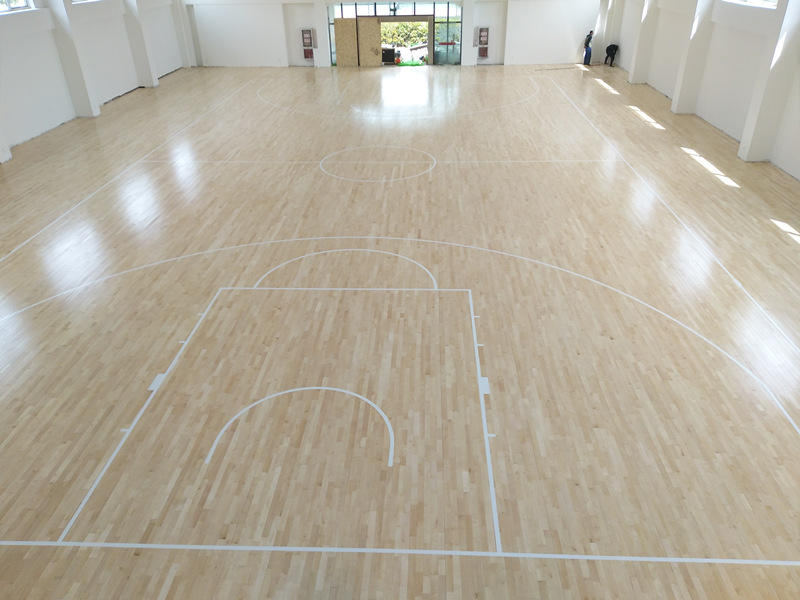
As the world becomes increasingly conscious of environmental issues, the sports industry is also taking steps to reduce its ecological footprint. One area where significant progress has been made is in the production and installation of sports wood flooring, with a growing emphasis on sustainable practices and environmental responsibility.
Traditionally, the production of sports wood flooring involved the harvesting of large quantities of timber, which could have a negative impact on forests and ecosystems. However, modern sports wood flooring manufacturers are now adopting sustainable forestry practices, such as selective logging and reforestation, to ensure that their operations have minimal impact on the environment. These practices help to maintain the health and diversity of forests while also providing a renewable source of timber for sports wood flooring production.
In addition to sustainable forestry practices, sports wood flooring manufacturers are also exploring alternative materials and production methods to further reduce their environmental impact. For example, some manufacturers are using recycled wood fibers or agricultural waste products to create composite materials that mimic the properties of traditional hardwood. These materials not only reduce the demand for virgin timber but also help to divert waste from landfills.
Another important aspect of sustainable sports wood flooring is the installation process. Proper installation techniques can help to minimize waste and ensure that the flooring performs optimally for its intended lifespan. This includes using the correct amount of adhesive, ensuring proper alignment and spacing of the planks, and following manufacturer guidelines for maintenance and care.
Furthermore, sports facilities can also contribute to sustainability by choosing sports wood flooring that is certified by reputable environmental organizations, such as the Forest Stewardship Council (FSC). FSC certification ensures that the wood used in the flooring comes from responsibly managed forests that meet strict environmental, social, and economic standards.
In conclusion, the environmental impact of sports wood flooring can be significantly reduced through sustainable practices and responsible choices. By adopting sustainable forestry practices, exploring alternative materials, following proper installation techniques, and choosing certified products, sports facilities can contribute to a more sustainable future while still providing high-quality surfaces for athletes to train and compete on.
Leave a Reply