

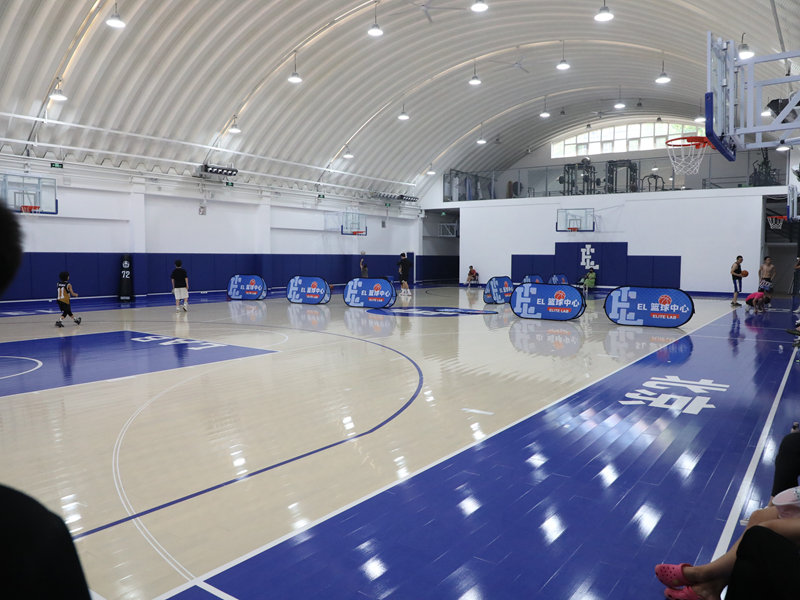
As awareness of environmental issues grows, the impact of indoor sports flooring on the environment has become an increasingly important consideration. Sports facilities are now seeking flooring solutions that are not only functional and safe but also sustainable and eco-friendly.
One way to reduce the environmental impact of indoor sports flooring is to choose materials that are recycled or renewable. Many manufacturers now offer floors made from recycled rubber, vinyl, or polyurethane, reducing the need for virgin materials and minimizing waste. Additionally, some floors are made from renewable resources such as bamboo or cork, which are fast-growing and sustainable alternatives to traditional hardwoods.
Another aspect of environmental impact is the use of low-VOC (volatile organic compound) finishes and adhesives. These products emit fewer harmful chemicals into the air, improving indoor air quality and reducing the risk of health problems for athletes and staff.
Furthermore, the durability and longevity of the floor also play a role in its environmental impact. A floor that lasts longer and requires fewer repairs or replacements reduces the amount of waste generated over time and conserves resources.
When selecting indoor sports flooring, it is important to consider its environmental impact and choose options that align with sustainability goals. By doing so, sports facilities can contribute to a healthier planet while providing a safe and functional playing environment for athletes.
Leave a Reply