

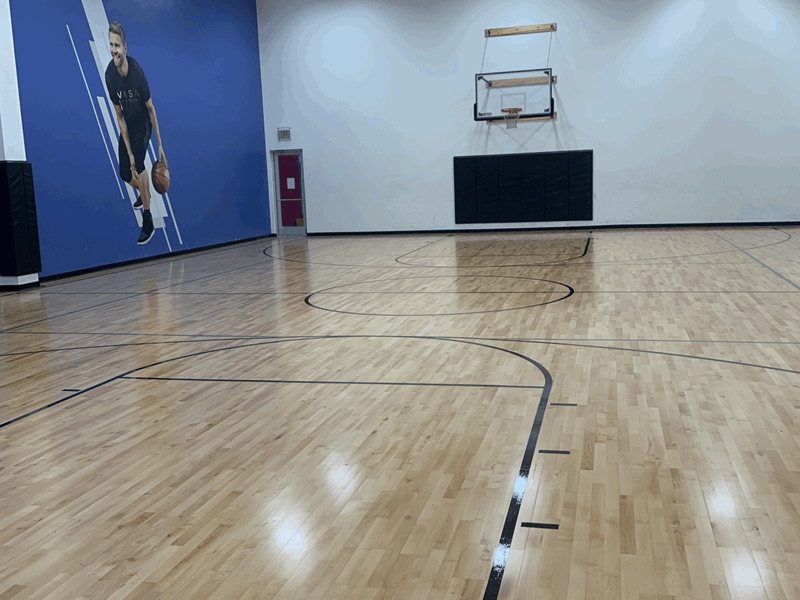
Sustainability is no longer a nice-to-have. It is a requirement. Facility owners, school boards, and commercial operators are all under increasing pressure to make greener choices. Detachable indoor sports wood flooring is one of the most environmentally responsible options available, and here is why.
The most obvious environmental benefit is reuse. Because the panels are not permanently bonded to the subfloor, they can be disassembled and reinstalled in a new location. This means the same floor can serve multiple facilities over its lifetime, dramatically reducing the total amount of material consumed. A fixed floor that is demolished when a building is renovated becomes waste. A detachable floor becomes someone else's asset.
The hardwood top layer of sports flooring is typically sourced from sustainably managed forests. Many manufacturers now use certified wood from programs that ensure responsible harvesting. Because the hardwood can be sanded and refinished multiple times, each panel serves for decades rather than being replaced after a few years. This extends the useful life of the wood and reduces the demand for new timber.
The underlayment materials in detachable systems are increasingly made from recycled or bio-based foams and rubbers. Some systems use natural rubber, which is renewable and biodegradable at the end of its life. Others use high-density foam made from recycled plastics. The trend is clearly toward more sustainable materials, and detachable systems are at the forefront of this shift because their modular design makes it easier to experiment with new materials without redesigning the entire floor.
Waste reduction during installation is another advantage. Fixed flooring installation generates significant waste from adhesive containers, leftover materials, and damaged panels that cannot be salvaged. Detachable installation produces almost no waste. Every panel is used, and any offcuts can be recycled.
At the end of its life, a detachable sports floor is far easier to recycle than a fixed one. The wood can be reclaimed, the underlayment can be separated and processed, and the metal connectors can be melted down. A fixed floor, with its adhesive bonds and mixed materials, is much harder to disassemble for recycling.
For organizations that publish sustainability reports or pursue green building certifications, detachable sports flooring is a strong contributor. It supports circular economy principles, reduces carbon footprint over the product lifecycle, and aligns with the values of environmentally conscious stakeholders.
Leave a Reply