

When assembling an indoor basketball wooden floor, durability and player safety must always be the top priorities that guide every decision made during the process. One of the most important considerations is the selection of wood material for the top layer, as different types of wood have different hardness, grain patterns, and resistance to impact. The ideal wood for a basketball court must have a high enough Janka hardness rating to withstand the constant impact from players’ shoes, sudden stops, and repeated jumps without developing dents or scratches easily. At the same time, it should also have a certain degree of natural elasticity that helps absorb part of the impact force generated during intense movements, reducing the stress on players’ knees and ankles.
Another critical factor to consider is the elasticity system beneath the wooden surface, which directly determines how well the floor can protect athletes from injuries. A properly assembled basketball wooden floor should have a balanced shock absorption rate that is neither too soft nor too hard. If the floor is too soft, players will feel a sinking sensation when they run, which can affect their movement speed and increase the risk of muscle fatigue. If it is too hard, the impact from each jump will be directly transferred to the players’ joints, leading to chronic injuries over long-term use. During assembly, workers must carefully adjust the tightness of the support structure and the thickness of the elastic pads to achieve the perfect balance, ensuring that the floor can deform slightly under impact and quickly return to its original shape.
Moisture control is also a non-negotiable consideration for ensuring the long-term durability of the assembled basketball wooden floor. Wood is a natural material that expands and contracts with changes in environmental humidity, so the entire assembly process must be carried out in a controlled environment where the temperature and humidity are kept stable. Before installation, all wooden planks should be acclimated in the indoor space for a certain period of time, allowing them to adapt to the local humidity level so that they will not expand or shrink drastically after being laid. Workers also need to reserve reasonable expansion gaps around the edges of the court, leaving enough space for the wood to expand when the humidity rises in certain seasons, preventing the floor from buckling or warping. With all these considerations properly addressed, the assembled basketball wooden floor can maintain its excellent performance and safety features for decades of regular use.
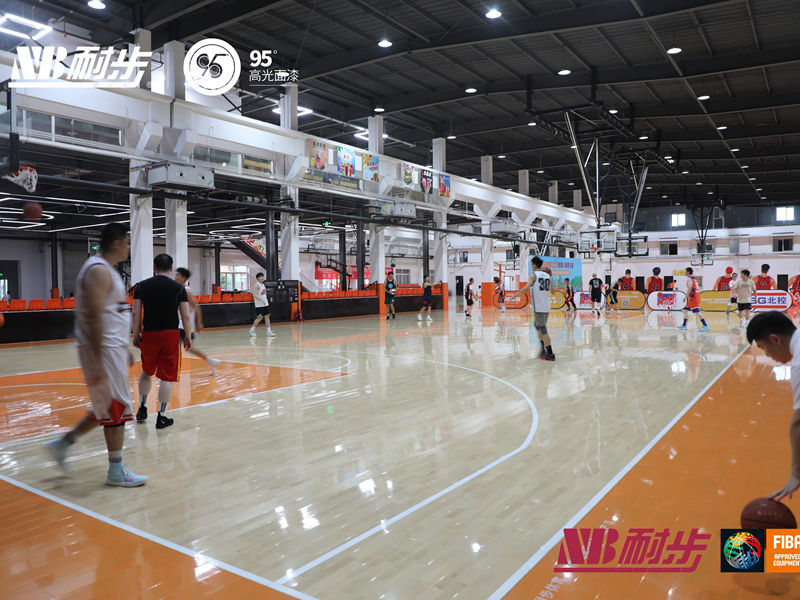
Key Considerations for a Durable and Safe Indoor Basketball Wooden Floor Assembly
Leave a Reply