

Introduction
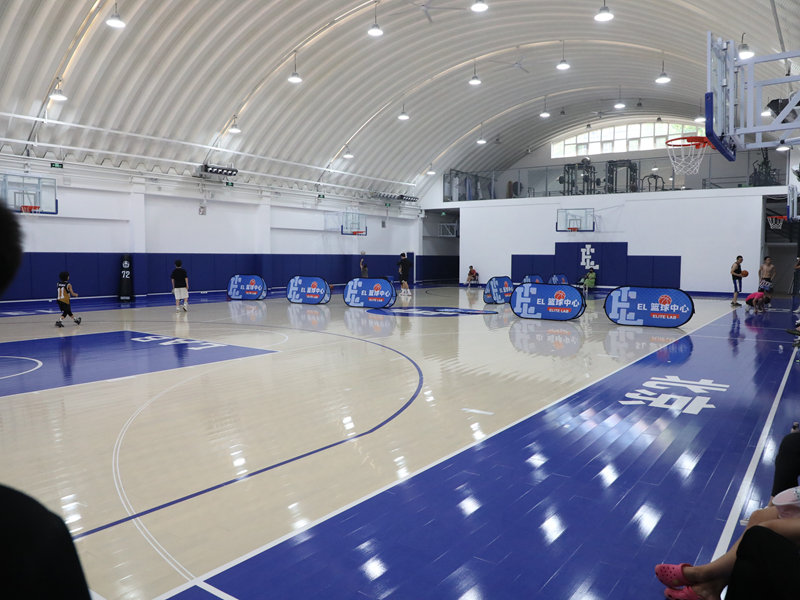
A basketball court hardwood floor is a significant investment. A professional-grade maple court can cost 50,000to200,000 or more to install. Protecting that investment requires a consistent and thorough maintenance program. Without proper care, even the best hardwood floor will deteriorate, losing its performance characteristics and aesthetic appeal. In this article, we will provide a comprehensive step-by-step guide to maintaining your basketball court hardwood floor, covering daily, weekly, monthly, and annual tasks.
Daily Maintenance: The Foundation of a Healthy Floor
Daily maintenance is the most important aspect of floor care. The goal is to remove dirt, dust, and debris before they can scratch the finish or damage the wood.
Step 1: Sweep or Dust Mop
Use a wide dust mop or a microfiber dry mop to cover the entire court. This should be done before and after every use. The goal is to remove loose dirt and dust that could act as abrasives.
Never use a broom with stiff bristles on a hardwood floor. Stiff bristles can scratch the finish and create micro-abrasions that dull the surface over time.
Step 2: Damp Mop (If Necessary)
If the floor has visible dirt or scuff marks, use a damp mop with a pH-neutral hardwood floor cleaner. The mop should be barely damp — not wet. Excess water is the enemy of hardwood, as it can seep into the seams and cause the wood to swell.
Never use these products on a basketball court hardwood floor:
- Vinegar (too acidic)
- Bleach (too harsh)
- Oil-based cleaners (leave a residue)
- Wax (builds up and makes the floor slippery)
- Steam cleaners (too much moisture)
Weekly Maintenance: Deep Cleaning
Step 3: Wet Mop the Entire Court
Once a week, wet mop the entire court using a microfiber mop and a hardwood floor cleaner. Work in sections, mopping with the grain of the wood. Rinse the mop frequently to avoid spreading dirt.
Step 4: Spot Clean Scuff Marks
Scuff marks from shoes are inevitable. To remove them, use a melamine sponge (Magic Eraser) or a paste made from baking soda and water. Apply gently in the direction of the grain. Do not scrub aggressively, as this can damage the finish.
Step 5: Check for Debris in Seams
Use a thin putty knife or a flat tool to gently remove any debris that has accumulated in the seams between boards. This prevents the debris from working its way under the finish and causing damage.
Monthly Maintenance: Inspection and Prevention
Step 6: Inspect the Finish
Walk the entire court and look for any areas where the finish is wearing thin, scratched, or damaged. Early detection allows you to address problems before they become serious.
Step 7: Apply a Maintenance Coat (If Needed)
If you notice that the finish is looking dull in high-traffic areas, you can apply a maintenance coat of water-based polyurethane. This is a thin coat that restores the shine without building up too much thickness. Apply with a microfiber applicator in thin, even coats. Allow to dry between coats.
Step 8: Check Humidity Levels
Use a hygrometer to check the relative humidity in the facility. It should be between 35% and 55%. If it is too low, the wood may be drying out and developing gaps. If it is too high, the wood may be swelling.
Annual Maintenance: The Big Picture
Step 9: Full Sanding and Refinishing
Every 10-15 years (depending on use), the floor will need to be fully sanded and refinished. This involves:
- Removing all the old finish with a drum sander
- Filling any gaps with flexible wood filler
- Sanding the entire floor in progressive grits (60 → 80 → 100 → 120)
- Applying 3-4 coats of water-based polyurethane finish
- Allowing 48-72 hours of cure time before use
Step 10: Professional Inspection
Hire a professional flooring inspector to evaluate the condition of the subfloor, the resilient pads, and the hardwood. They can identify any issues that may not be visible to the untrained eye, such as delamination, subfloor rot, or pad compression.
Seasonal Maintenance Tips
| Season | Task |
|---|---|
| Summer | Increase dehumidification to combat high humidity. Run the HVAC continuously. |
| Winter | Use humidifiers to prevent the wood from drying out. Avoid running heaters without humidity control. |
| Spring | Perform a thorough inspection after the heating season. Look for gaps or cupping caused by dry air. |
| Fall | Prepare the facility for the heating season. Check and service the HVAC system. |
The Cost of Neglect
Neglecting your hardwood floor can be extremely expensive. Here is what can happen if you skip maintenance:
| Problem | Cause | Repair Cost |
|---|---|---|
| Scratches | Dirt and debris | 500−2,000 (spot repair) |
| Gaps | Low humidity | 1,000−5,000 (re-gap and fill) |
| Buckling | High humidity | 5,000−20,000 (replace boards) |
| Finish Wear | No maintenance coats | 10,000−50,000 (full refinish) |
| Subfloor Rot | Moisture intrusion | 20,000−100,000+ (full replacement) |
Conclusion
Maintaining a basketball court hardwood floor is not difficult, but it requires consistency. By following the daily, weekly, monthly, and annual tasks outlined in this guide, you can extend the life of your floor by decades and ensure that it continues to perform at the highest level. The time and money you invest in maintenance will pay for itself many times over in reduced repair costs and extended floor life.
Leave a Reply