

Introduction
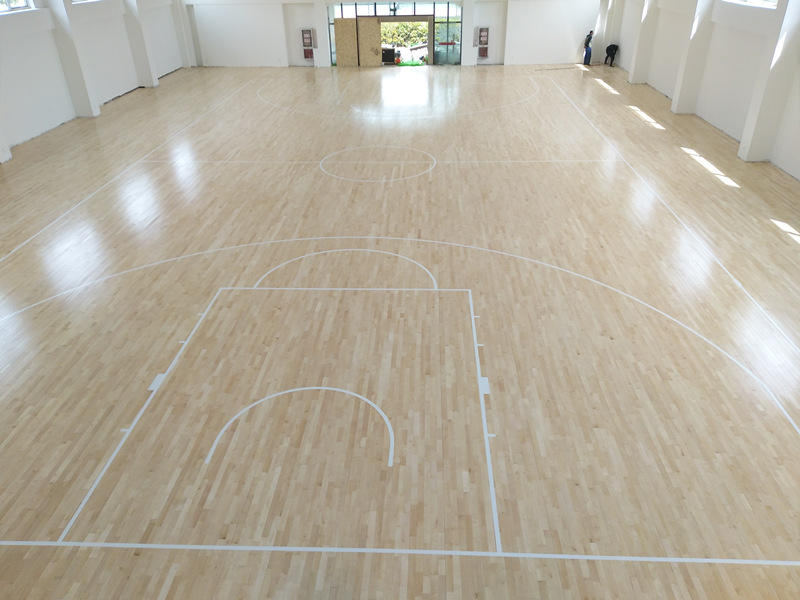
A basketball court hardwood floor is a significant investment. A professional-grade court can cost 100,000to200,000 or more. The good news is that with proper maintenance, that floor can last 30 to 50 years — far longer than any synthetic alternative. The bad news is that hardwood is a living material that requires ongoing care. Neglect can lead to warping, scratches, dull finishes, and even structural damage.
This comprehensive maintenance guide covers everything from daily cleaning to annual refinishing, helping you protect your investment and keep your court playing at its best.
Daily Maintenance: The Foundation of Longevity
1. Sweeping and Dust Mopping
Frequency: Before and after every use.
Dirt, dust, and sand are the number one enemies of hardwood flooring. Tiny particles act like sandpaper, scratching the finish with every step.
Best Practices:
- Use a wide, soft-bristle push broom (never a hard broom or string mop)
- Follow up with a microfiber dust mop treated with a floor care product (e.g., Bona Sport Mop)
- Pay special attention to high-traffic areas: under the baskets, along the sidelines, and in the key
2. Mopping
Frequency: After every use for professional courts; 2–3 times per week for recreational courts.
Best Practices:
- Use a damp (not wet) mop — excess water is the enemy of hardwood
- Use a pH-neutral cleaner specifically designed for sports floors (e.g., Bona Sport Cleaner, Drico Sport)
- Never use vinegar, bleach, or ammonia-based cleaners — they strip the finish
- Change the mop head frequently; a dirty mop does more harm than good
3. Spot Cleaning
Spills should be cleaned up immediately:
| Spill Type | Action |
|---|---|
| Water | Mop up immediately, dry the area |
| Gatorade/Sports Drinks | Mop up immediately — sugar can attract dirt and damage finish |
| Chewing Gum | Use a frozen ice pack to harden it, then scrape off gently |
| Shoe Marks (Rubber) | Use a Mr. Clean Magic Eraser or dedicated rubber mark remover |
| Blood | Use cold water and a mild enzymatic cleaner — never hot water |
Weekly Maintenance
1. Deep Cleaning
Once a week, perform a deeper clean using a rotary buffer with a soft pad and a sports floor cleaner. This removes embedded dirt that daily mopping misses.
2. Inspect for Damage
Walk the entire court and look for:
- Scratches or gouges in the finish
- Loose or squeaking planks
- Areas where the finish is wearing thin
- Water damage or discoloration
Early detection of problems prevents them from becoming expensive repairs.
Monthly Maintenance
1. Apply a Maintenance Coat
For courts with a polyurethane finish, apply a thin maintenance coat of floor polish every 1–2 months. This fills in micro-scratches and keeps the gloss level consistent.
Products to Use:
- Bona Sport Polish
- Drico Sport Polish
- Mapei Sport Finish
Application Method:
- Apply with a flat mop in thin, even coats
- Allow to dry for 30–60 minutes between coats
- Apply 2–3 coats maximum per session
2. Check Expansion Gaps
Inspect the perimeter gaps around the court. If planks are pressing against the walls, the floor may have expanded due to excessive moisture. Investigate the source of moisture immediately.
Seasonal Maintenance
Summer (High Humidity)
- Keep HVAC running to maintain 40–60% relative humidity
- Use dehumidifiers if necessary — humidity above 65% can cause the wood to swell
- Increase mopping frequency — players sweat more, and sweat is acidic
Winter (Low Humidity)
- Use humidifiers to maintain 40–60% RH — wood shrinks in dry conditions, creating gaps
- Avoid running space heaters directly on the floor
- Check for increased squeaking — dry wood contracts and can separate at the seams
Annual Maintenance: The Big Tasks
1. Full Sanding and Refinishing
When to Refinish:
- The finish is visibly worn, dull, or scratched
- The ball bounce is inconsistent (ball doesn't bounce as high as it used to)
- There are deep scratches or gouges that can't be repaired with spot treatment
Frequency:
| Thickness | Estimated Refinishing Cycles |
|---|---|
| 3/4" Maple | 8–12 times over 50 years |
| 7/16" Maple | 4–6 times over 30 years |
| 1/2" Maple | 2–3 times over 20 years |
The Refinishing Process:
- Remove all court markings and logos
- Screen and recoat (light sanding + new finish) — can be done 3–5 times between full sandings
- Full sanding (remove 1/32"–1/16" of wood) — done when the floor is too worn for screening
- Apply 3–4 coats of finish
- Repaint court markings
- Cure for 7–14 days before use
2. Sub-Floor Inspection
Once a year, check the sub-floor for:
- Soft spots (indicates moisture damage or rot)
- Squeaking areas (loose nails or adhesive failure)
- Structural cracks in the plywood
3. Equipment Maintenance
- Basketball Hoop Pads: Ensure all padding is intact and properly secured. Loose padding can scratch the floor.
- Wheel Chairs: Use rubber-wheeled chairs, never hard plastic wheels.
- Bleachers: Use rubber feet on all bleacher legs. Never drag metal bleachers across the floor.
Preventive Measures: Protecting Your Investment
1. Shoe Policy
Require all players to wear clean, non-marking court shoes. Dirty outdoor shoes should never be allowed on the hardwood. Many facilities provide shoe rental or require players to change into indoor shoes at the door.
2. No Food or Drink on the Court
This seems obvious, but it is one of the most common causes of damage. Sugary drinks attract dirt, and spills can seep into the wood.
3. Climate Control
Maintain a stable indoor environment:
- Temperature: 60–75°F (15–24°C)
- Relative Humidity: 40–60%
Fluctuations outside this range are the leading cause of hardwood damage.
4. Furniture Pads
Any movable furniture (chairs, tables, scorer's tables) must have soft felt or rubber pads on all legs.
Cost of Maintenance vs. Replacement
| Maintenance Activity | Estimated Cost (5,000 sq ft court) |
|---|---|
| Daily Sweeping/Mopping | 2,000–4,000/year (labor) |
| Weekly Deep Clean | 1,000–2,000/year |
| Monthly Polish Application | 500–1,000/year |
| Annual Screening & Recoating | 3,000–6,000 |
| Full Sanding & Refinishing (every 8–10 years) | 8,000–15,000 |
| Total Annual Average | 7,500–14,000/year |
Compare this to the cost of replacing a synthetic floor every 8–12 years (50,000–80,000), and hardwood clearly wins on long-term value.
Conclusion
Maintaining a basketball court hardwood floor is not difficult, but it does require consistency and attention to detail. By following a daily, weekly, monthly, and annual maintenance schedule, you can extend the life of your floor to 30–50 years while keeping it performing at a professional level. The key is to be proactive — don't wait until the floor looks bad to start caring for it. Treat your hardwood floor like the valuable asset it is, and it will reward you with decades of exceptional performance.
Leave a Reply