

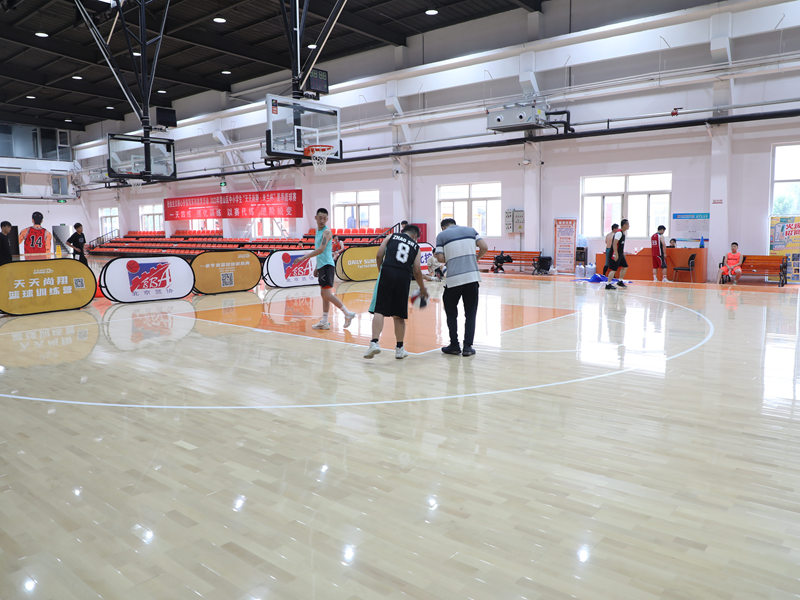
Humidity is the silent enemy of wood flooring, and it is especially dangerous in gym environments where sweat, spills, and body heat create constant moisture fluctuations. Understanding how humidity affects wood gym floors — and how to protect against it — is essential for any gym owner or home fitness enthusiast.
How Wood Reacts to Humidity
Wood is a hygroscopic material, meaning it absorbs and releases moisture from the surrounding air. When humidity rises, wood absorbs moisture and expands. When humidity drops, wood releases moisture and contracts. This expansion and contraction is normal, but if it is not managed properly, it can cause cupping, crowning, gapping, and buckling. In a gym, where hundreds of people generate sweat and functions in a gym wood floor. First, it provides sound dampening, reducing the echo and noise that wood floors are known for. In a gym, where weights clang and feet pound the floor, noise reduction is a major quality-of-life benefit. Second, it adds a layer of cushioning that improves shock absorption, protecting your joints during high-impact activities. Third, it helps bridge minor subfloor imperfections, creating a smoother, more level surface for the wood.
Types of Underlayment for Gym Floors
There are several types of underlayment, each with different properties. Foam underlayment is the most common and affordable option. It provides decent sound dampening and cushioning but compresses over time, especially under heavy loads. Rubber underlayment is denser and more durable, making it better suited for gym environments. It resists compression and provides superior shock absorption. Cork underlayment is another excellent option. It is naturally antimicrobial, resists moisture, and provides outstanding sound dampening. For gym floors, rubber or cork underlayment is strongly recommended over foam.
Thickness Matters
Underlayment thickness typically ranges from 2mm to 6mm. For gym floors, a minimum of 4mm is recommended. Thicker underlayment provides better sound dampening and shock absorption but can make the floor feel slightly softer underfoot. For heavy lifting areas, a thinner underlayment (3 to 4mm) is better because it provides more stability. For cardio and plyometrics areas, a thicker underlayment (5 to 6mm) is preferable for joint protection.
Installation Tips
Always and scuff marks more easily, so they require more diligent maintenance.
Gray-Toned Wood — The Modern, Minimalist Look
Gray-toned wood floors, often achieved through specific staining techniques, create a sleek, modern aesthetic. This is the look of contemporary design studios, high-end personal training facilities minimalist home gyms. Gray wood pairs perfectly with concrete walls, steel accents, and cool-toned lighting. It is a bold choice that makes a strong visual statement.
Reddish-Brown — The Energetic, Bold Option
Reddish-brown wood floors, such as cherry or jarrah, add warmth and energy to a gym space. The red undertones create a sense of vibrancy and motivation. This color works well in functional training spaces, martial arts studios, and CrossFit boxes where energy and intensity are the focus.
Choose a color that matches your gym's purpose and personality. The right floor color can transform a good gym into a great one.
Leave a Reply