

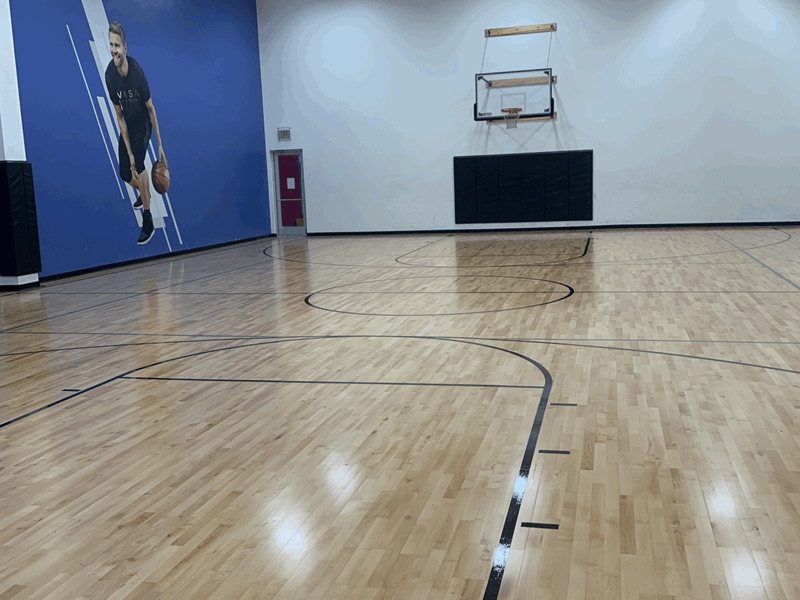
One of the most common questions people ask about indoor basketball court hardwood flooring is: how much does it cost? The answer is not simple, because the cost depends on many variables. But breaking it down by component can help you understand where your money goes.
The hardwood material itself typically accounts for fifteen to twenty-five percent of the total cost. High-quality maple, which is the standard for basketball courts, can range from moderate to expensive depending on the grade and the supplier. Thicker hardwood costs more, but it also lasts longer.
The subfloor and structural components make up another twenty to thirty percent of the cost. This includes the plywood or concrete base, the vapor barrier, the softwood or engineered lumber layer, and any shock-absorbing padding. The quality of these components directly affects the performance and longevity of the floor.
Labor is often the largest single cost component, accounting for thirty to forty percent of the total. Installing a hardwood basketball court requires skilled workers who understand wood behavior, moisture control, and precision leveling. Rushing this step or using unqualified labor can lead to problems that cost far more to fix later.
The finish adds another five to ten percent. Quality polyurethane or other protective coatings are not cheap, but they are essential for performance and durability. Cheap finish will wear out quickly and may not provide the right level of traction.
Additional costs can include site preparation, climate control systems, and any custom features like inlaid logos or colored borders. These can add significantly to the total.
For a standard full-size indoor basketball court, the total installed cost typically ranges from moderate to high, depending on the region and the level of finish. A basic recreation center court will be on the lower end, while a professional-grade court with premium materials and finishes will be on the higher end.
When evaluating cost, it is important to think in terms of cost per year of use. A well-installed hardwood court that lasts twenty years and is refinished every five years can have a lower annual cost than a synthetic floor that needs full replacement every twelve years.
The bottom line is that hardwood is not the cheapest option upfront, but it is often the most economical choice over the life of the floor.
Leave a Reply