

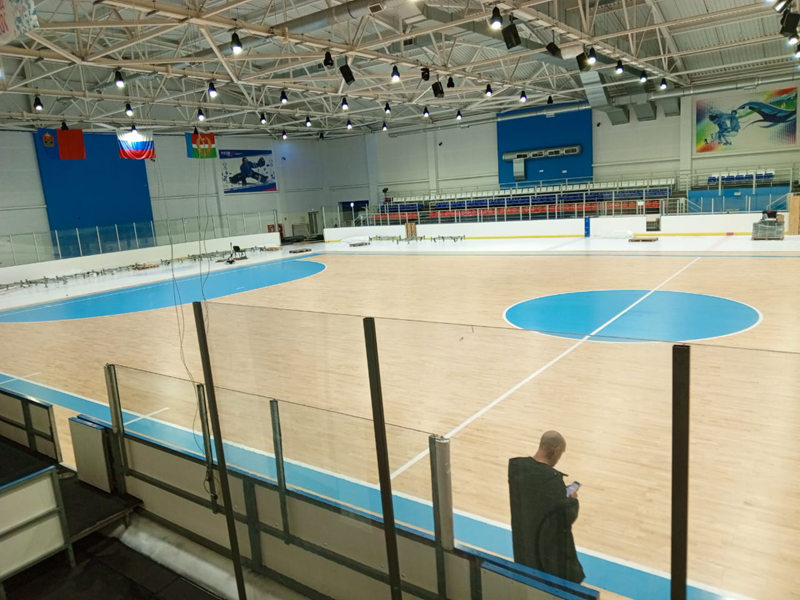
Wooden and synthetic flooring are two popular options for indoor basketball courts, each with its own set of advantages and disadvantages. Wooden floors, typically made of maple, have a long - standing tradition in basketball. They offer a classic, aesthetic appeal that many players and fans appreciate. The natural grain pattern of the wood provides a unique visual texture, and the sound of the ball bouncing on a wooden court has become synonymous with the game.
In terms of performance, wooden floors have good shock - absorbing properties and offer a consistent playing surface. They are relatively durable and can last for many years with proper maintenance. However, wooden floors are susceptible to damage from moisture, temperature changes, and heavy impacts. They require regular refinishing to maintain their appearance and performance, which can be time - consuming and costly.
Synthetic flooring, on the other hand, offers several advantages in terms of durability and maintenance. Materials like polyurethane and rubber are highly resistant to moisture, stains, and scratches. They are easy to clean and require less frequent maintenance compared to wooden floors. Synthetic floors can also be designed with specific performance features such as enhanced traction and shock absorption.
One of the main drawbacks of synthetic floors is their aesthetic appeal. While they can be made to look attractive, they may not have the same natural beauty as wooden floors. Additionally, some players may find that the ball bounces differently on synthetic surfaces compared to wood, which could affect their game. Ultimately, the choice between wooden and synthetic flooring depends on factors such as budget, maintenance requirements, and personal preference.
Leave a Reply