

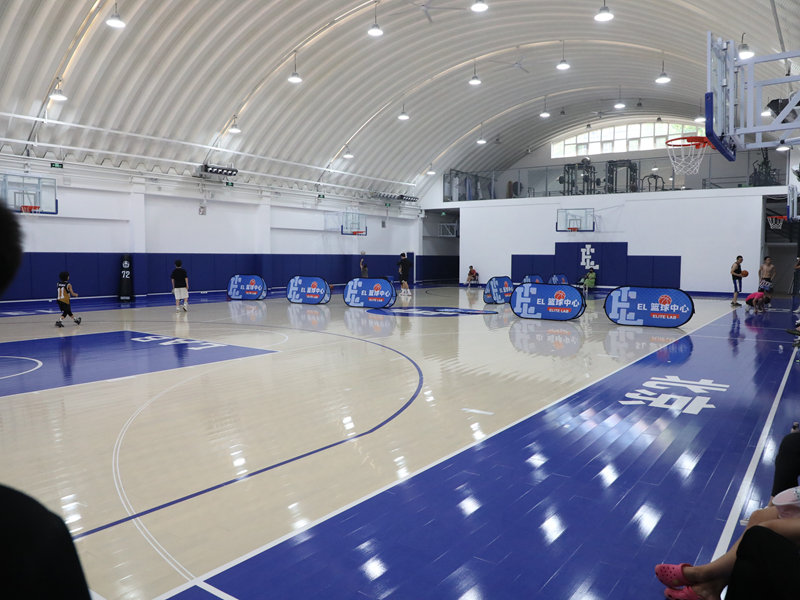
Introduction
When it comes to indoor sports flooring, there are two main options: wood and synthetic materials. Each has its advantages and disadvantages, and the choice between them depends on various factors. This article compares indoor sports wood flooring to synthetic alternatives, highlighting the key differences and considerations.
Performance Characteristics
Wood flooring is known for its excellent performance characteristics, including traction, ball bounce, and shock absorption. The natural grain pattern of wood helps improve traction, reducing the risk of slips and falls. Additionally, wood's density and hardness contribute to excellent ball bounce, which is crucial for sports like basketball and volleyball. Synthetic flooring, on the other hand, may not offer the same level of performance. While some synthetic materials can mimic the look and feel of wood, they may not provide the same level of traction, ball bounce, or shock absorption.
Durability and Maintenance
Durability and maintenance are also important considerations. Wood flooring is generally more durable than synthetic alternatives, especially when properly maintained. It can withstand heavy use and wear and tear without showing significant signs of damage. However, wood requires regular maintenance, such as cleaning, resurfacing, and repairs, to keep it in good condition. Synthetic flooring may require less maintenance, but it may not be as durable as wood, especially in high-traffic areas.
Aesthetic Appeal
Aesthetic appeal is another factor to consider. Wood flooring offers a natural and visually appealing surface that enhances the overall look of a sports facility. The wood can be stained or finished in various colors to match the facility's design and decor. Synthetic flooring, while available in a wide range of colors and patterns, may not offer the same level of natural beauty and warmth as wood.
Environmental Impact
Environmental impact is becoming an increasingly important consideration. Wood flooring is a renewable resource, and many manufacturers source their wood from responsibly managed forests. Additionally, wood is biodegradable, making it a more environmentally friendly option compared to synthetic materials, which are often made from non-renewable resources and may not be biodegradable.
Cost
Cost is another factor to consider when choosing between wood and synthetic flooring. Wood flooring may come at a premium compared to synthetic alternatives, especially for high-quality species like maple. However, the long-term benefits of wood, such as durability and performance, may outweigh the initial cost. Synthetic flooring may be more affordable upfront, but it may require more frequent replacements or repairs, increasing the overall cost over time.
Conclusion
Choosing between indoor sports wood flooring and synthetic alternatives depends on various factors, including performance characteristics, durability and maintenance, aesthetic appeal, environmental impact, and cost. While synthetic flooring may offer some advantages, such as lower maintenance requirements and initial cost, wood flooring provides superior performance, durability, and aesthetic appeal. By carefully considering these factors, facility owners can make an informed decision that meets their specific needs and requirements.
Leave a Reply