

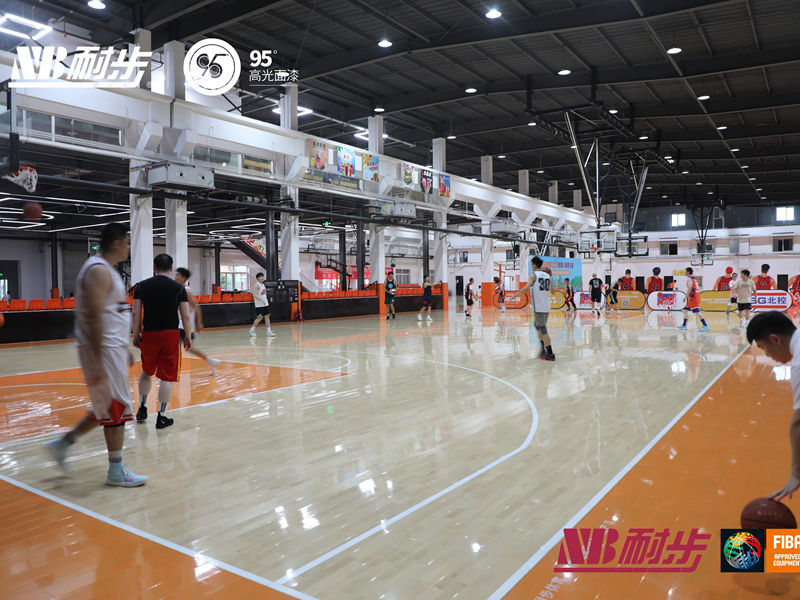
Selecting the appropriate type of wood for indoor basketball court flooring is a critical decision that impacts the court's performance, durability, and overall aesthetic. With various wood species available, each with its unique characteristics, understanding their properties is essential for making an informed choice.
Maple is widely regarded as the gold standard for basketball court flooring due to its exceptional hardness, durability, and resistance to wear and tear. Its fine grain and uniform texture provide a smooth, consistent surface that enhances ball bounce and player movement. Additionally, maple's natural resistance to moisture and temperature fluctuations makes it ideal for indoor environments where humidity levels can vary.
Another popular option is oak, known for its strength and stability. While not as hard as maple, oak offers excellent durability and can withstand heavy foot traffic without showing signs of premature wear. Its distinctive grain pattern adds a touch of elegance to the court, making it a visually appealing choice for facilities that prioritize aesthetics.
For those seeking a more cost-effective alternative, birch is a viable option. Although not as durable as maple or oak, birch provides a smooth surface that is suitable for recreational basketball courts or facilities with lower usage rates. Its lighter color can also create a brighter, more inviting atmosphere within the arena.
Ultimately, the choice of wood depends on factors such as budget, intended usage, and desired aesthetic. By carefully considering these aspects, facility managers can select the most suitable wood species that meets their specific needs and ensures a high-quality playing experience for athletes.
Leave a Reply