

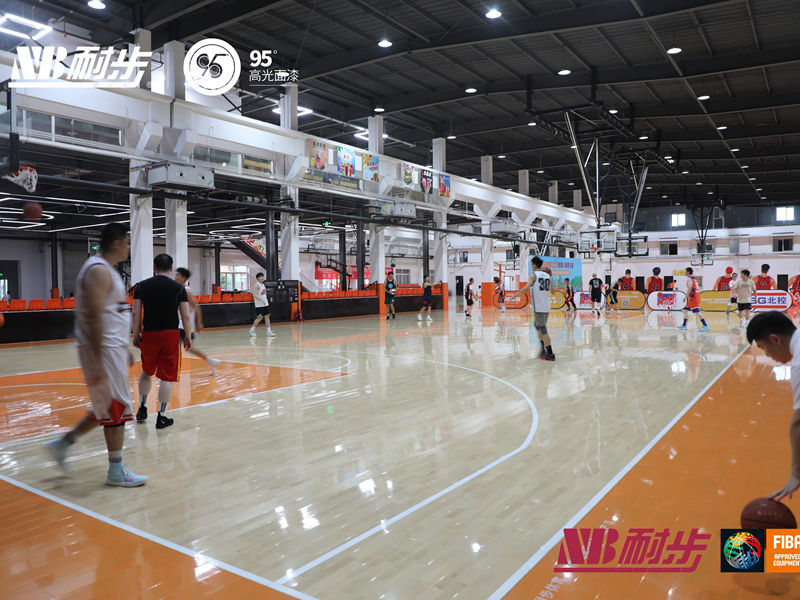
Sports wood flooring is a specialized type of flooring designed to meet the rigorous demands of athletic activities. To fully appreciate its value, it is essential to understand the technical specifications that set it apart from conventional wood flooring.
One of the key technical aspects of sports wood flooring is its shock absorption capability. This is achieved through a multi-layered construction that includes a subfloor system, an intermediate layer, and a top layer of high-quality wood. The subfloor system, often made of rubber or foam, provides initial cushioning, while the intermediate layer distributes the load evenly across the floor. The top layer, typically made of hard maple or oak, offers durability and a smooth playing surface.
Another important specification is the floor's slip resistance. Sports wood flooring is engineered to provide optimal traction, preventing athletes from slipping and reducing the risk of injuries. This is achieved through the use of specialized finishes and textures that enhance grip without compromising the floor's overall performance.
Additionally, sports wood flooring must meet specific dimensional stability requirements to ensure that it remains flat and level under varying temperature and humidity conditions. This is crucial for maintaining consistent playing conditions and preventing damage to the floor over time.
In summary, understanding the technical specifications of sports wood flooring is essential for selecting the right product for a given sports facility. By considering factors such as shock absorption, slip resistance, and dimensional stability, facility managers can ensure that they provide a safe and high-performance playing environment for athletes.
Leave a Reply