

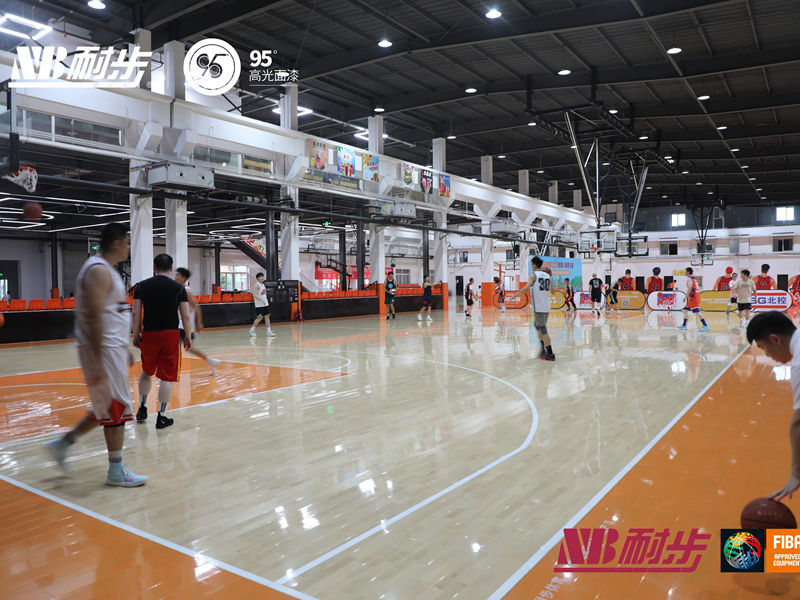
Sports wood flooring is not just any wooden surface; it is a meticulously engineered product designed to meet specific technical requirements. Understanding these specifications is crucial for architects, contractors, and facility managers to ensure the selection and installation of a floor that meets the needs of the intended sports activities.
Key technical specifications include shock absorption, which measures the floor's ability to reduce impact forces on athletes' joints; vertical deformation, which assesses the floor's flexibility under load; and ball rebound, which evaluates the floor's responsiveness to ball movement. These parameters are critical for preventing injuries and ensuring fair play, as they influence the speed and trajectory of the ball and the ease with which athletes can change direction.
Additionally, sports wood flooring must comply with international standards such as EN 14904 for indoor sports surfaces, which sets minimum requirements for safety, performance, and durability. The choice of wood species, such as maple or beech, also plays a role, as different woods have varying densities, hardness, and stability characteristics.
In summary, a thorough understanding of the technical specifications of sports wood flooring is essential for selecting a product that provides optimal performance, safety, and longevity.
Leave a Reply