

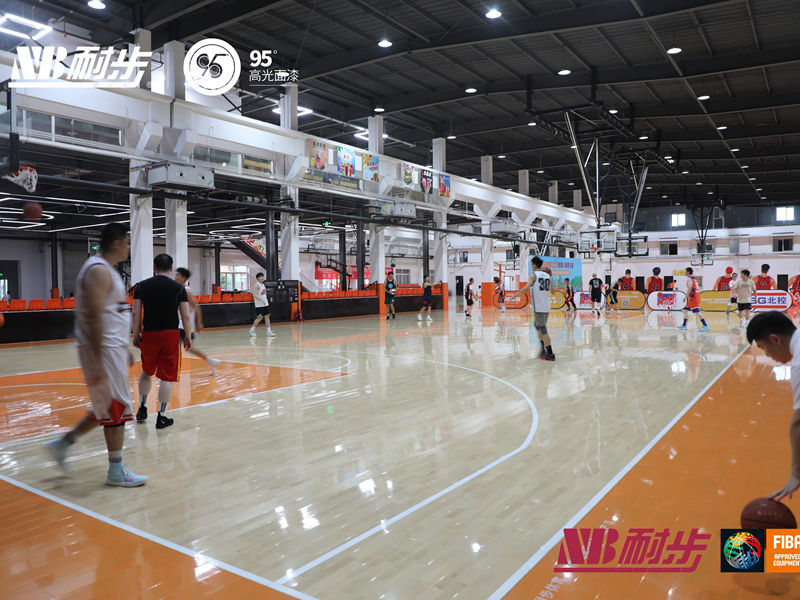
There are various types of sports flooring available in the market, each with its own set of characteristics and applications. Understanding these different types can help facility owners make an informed decision when choosing the right floor for their specific needs.
One of the most common types is wooden sports flooring. Wooden floors, often made from hardwoods like maple or oak, are popular in basketball courts and gymnasiums. They offer excellent shock absorption and rebound, which are essential for basketball players. The natural beauty of wood also adds an aesthetic appeal to the facility. However, wooden floors require regular maintenance, such as sanding and refinishing, to keep them in good condition.
Another type is synthetic sports flooring, which includes materials like vinyl, rubber, and polyurethane. Synthetic floors are highly durable and resistant to moisture, making them suitable for outdoor sports facilities or areas with high humidity. They are also relatively easy to clean and maintain. For example, rubber flooring is often used in weightlifting areas and children's playgrounds due to its excellent shock absorption and non - slip properties. Vinyl floors are commonly found in dance studios and multi - purpose sports halls as they provide a smooth surface for various activities.
Sports carpet is another option, mainly used in indoor sports such as badminton and squash. It offers good traction and ball control, and its soft surface can reduce the risk of injuries from falls. However, sports carpet may require more frequent cleaning to remove dust and dirt.
In summary, the choice of sports flooring depends on the specific sport, the location of the facility (indoor or outdoor), and the maintenance requirements. By carefully evaluating these factors, facility owners can select the most appropriate flooring type for their sports facility.
Leave a Reply