

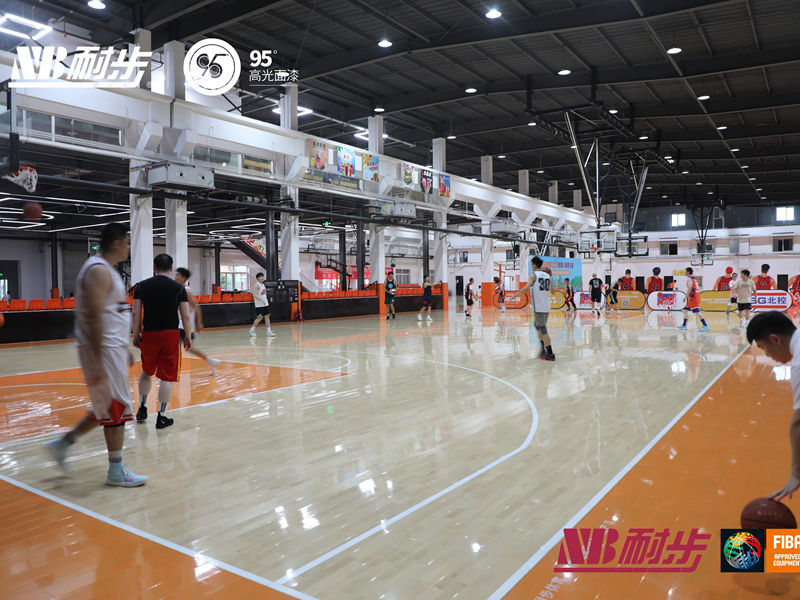
Sports wood flooring is a specialized type of flooring designed to meet the unique demands of sports activities. It is engineered to provide optimal performance, safety, and durability, making it an essential component of any sports facility. Understanding the technical specifications and performance characteristics of sports wood flooring is crucial for selecting the right product for your specific needs.
One of the key technical specifications of sports wood flooring is its shock absorption capability. This is measured by the floor's ability to reduce the impact force transmitted to an athlete's body during activities like jumping and landing. High-quality sports wood flooring systems typically have a shock absorption rating of 55% or higher, which helps to minimize the risk of injuries and fatigue.
Another important specification is the floor's resilience or rebound. This refers to the floor's ability to return energy to the athlete after impact, allowing for more efficient movement and reduced energy expenditure. A resilient floor can enhance an athlete's performance by providing a consistent and responsive surface that supports quick changes in direction and high-intensity movements.
In addition to shock absorption and resilience, sports wood flooring must also meet specific standards for friction and slip resistance. The floor should provide enough traction to prevent slips and falls, but not so much that it hinders movement or causes excessive wear on shoes. The coefficient of friction (COF) is a common metric used to measure a floor's slip resistance, with optimal values typically falling within a specific range depending on the sport.
Durability is another critical characteristic of sports wood flooring. The floor must be able to withstand the heavy foot traffic, impacts, and abrasions that occur during sports activities without showing signs of wear or damage. Engineered wood flooring systems, with their multi-layer construction and high-quality finishes, are designed to provide long-lasting performance even under the most demanding conditions.
Finally, sports wood flooring must also meet specific environmental and safety standards. This includes compliance with regulations regarding volatile organic compound (VOC) emissions, fire resistance, and accessibility for individuals with disabilities. Choosing a flooring system that meets these standards ensures a safe and healthy environment for athletes, staff, and spectators.
In summary, sports wood flooring is a highly specialized product that must meet specific technical specifications and performance characteristics to provide optimal safety, performance, and durability. By understanding these requirements, sports facility managers can select the right flooring system for their needs and ensure a high-quality experience for all users.
Leave a Reply