

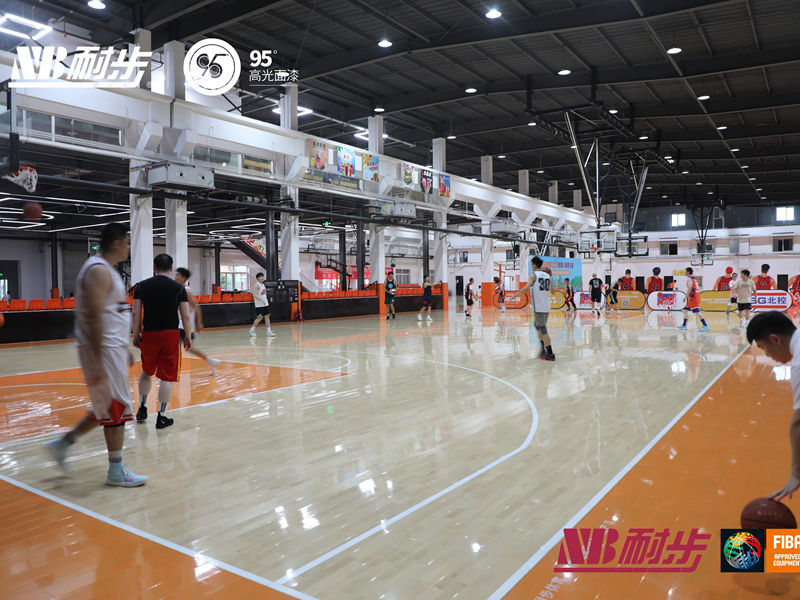
Sports wood flooring is a specialized type of flooring designed to meet the unique requirements of sports arenas and facilities. Its technical specifications and installation process are critical to ensuring its performance, safety, and longevity. In this article, we will explore the key technical aspects of sports wood flooring and the steps involved in its installation.
Technical Specifications:
Sports wood flooring is typically constructed from high-quality hardwood species, such as maple or oak, known for their durability, strength, and resistance to wear. The wood is carefully selected and graded to ensure uniformity in color, grain pattern, and density, resulting in a visually appealing and consistent surface.
The thickness of the wood planks used in sports wood flooring varies depending on the specific application and level of performance required. Generally, thicker planks offer greater shock absorption and durability, making them ideal for high-impact sports such as basketball and volleyball. Thinner planks, on the other hand, may be more suitable for lower-impact activities or areas where space is limited.
In addition to the wood itself, sports wood flooring also incorporates a specialized subflooring system that enhances its performance and safety. This system typically consists of multiple layers of shock-absorbing materials, such as rubber or foam, that are installed beneath the wooden surface. The subflooring helps to distribute the force of impact evenly across the floor, reducing the risk of injury to athletes and prolonging the lifespan of the floor.
Installation Process:
The installation of sports wood flooring is a complex and time-consuming process that requires specialized skills and equipment. It typically involves the following steps:
- Site Preparation: The installation area must be thoroughly cleaned and leveled to ensure a smooth and even surface for the floor. Any existing flooring or debris must be removed, and the subfloor must be inspected for any defects or irregularities that could affect the installation.
- Subfloor Installation: The shock-absorbing subflooring system is installed according to the manufacturer's specifications. This may involve laying down layers of rubber or foam padding, securing them in place with adhesive or mechanical fasteners, and ensuring that they are level and free of any gaps or bubbles.
- Wood Plank Installation: The wooden planks are then installed on top of the subflooring system. This may involve nailing or gluing the planks to the subfloor, depending on the specific installation method and manufacturer's recommendations. The planks are carefully aligned and spaced to ensure a uniform and visually appealing surface.
- Finishing Touches: Once the wood planks are installed, the floor is sanded and finished with a specialized coating that provides protection against scratches, stains, and moisture damage. The coating also enhances the floor's appearance, giving it a glossy or matte finish depending on the desired aesthetic.
- Inspection and Testing: After the installation is complete, the floor is inspected and tested to ensure that it meets the required performance standards and safety regulations. This may involve conducting impact tests, slip resistance tests, and other assessments to verify the floor's durability and safety.
By following these technical specifications and installation process, sports wood flooring can provide a high-performance, safe, and durable surface for athletes to compete on. Its careful construction and installation ensure that it can withstand the rigors of sports events and maintain its aesthetic appeal for years to come.
Leave a Reply