

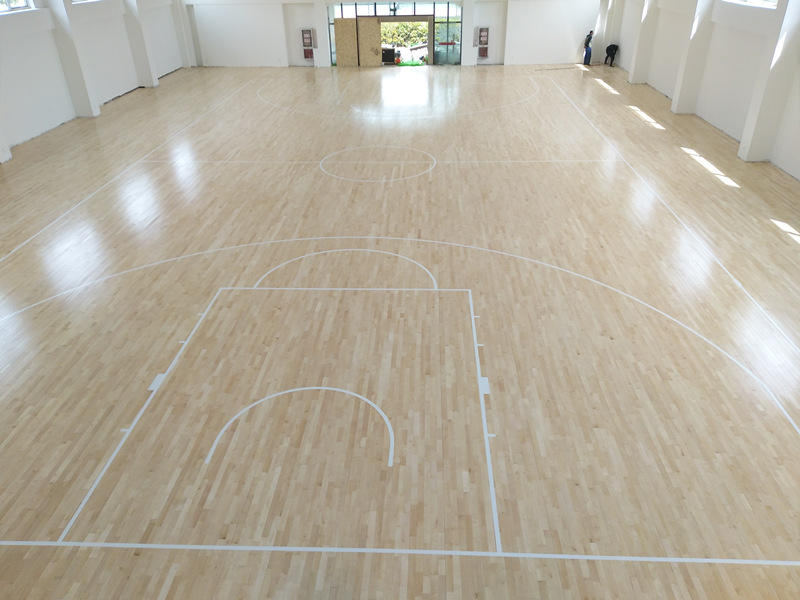
The science behind sports wood flooring is fascinating, involving a complex interplay of materials, design, and engineering principles. At the heart of this science is the concept of shock absorption and resilience, which are critical to the performance and safety of athletes.
Shock absorption refers to the flooring's ability to absorb and dissipate impact forces generated by athletes' movements. This is achieved through the use of specialized subflooring systems that incorporate layers of foam, rubber, or other shock-absorbing materials. These layers work together to cushion the impact of jumps and landings, reducing stress on joints and muscles.
Resilience, on the other hand, refers to the flooring's ability to return to its original shape after being deformed by impact forces. This is important because it ensures that the flooring maintains its stability and responsiveness over time, even under heavy use. Sports wood flooring achieves resilience through the use of high-quality wood species that are known for their strength and durability, as well as through careful engineering and construction techniques.
Understanding the science behind sports wood flooring is crucial for facility managers and athletes alike. It allows them to make informed decisions about the type of flooring to install, ensuring that it meets the specific needs of their sport and facility. Moreover, it highlights the importance of proper maintenance and care, as neglecting these aspects can compromise the flooring's shock absorption and resilience properties.
Leave a Reply