

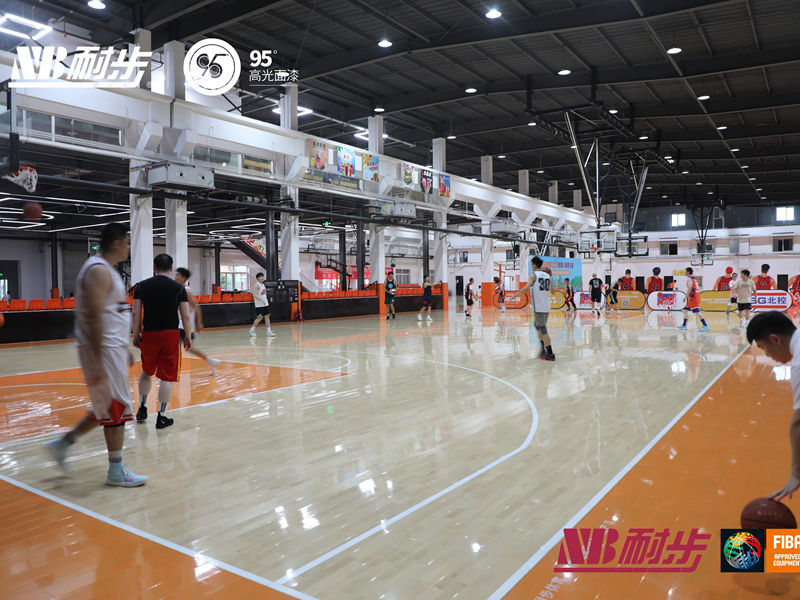
Sports wood flooring is not just a surface; it's a carefully engineered system designed to optimize athletic performance. Behind its seemingly simple appearance lies a complex interplay of materials science, biomechanics, and engineering principles that work together to create a playing environment conducive to peak performance.
One of the key scientific aspects of sports wood flooring is its shock absorption capability. When athletes jump, run, or land, their bodies experience significant impact forces. Sports wood floors are designed to absorb and dissipate these forces, reducing the stress on joints and muscles. This is achieved through a combination of a resilient subfloor system and a carefully selected wood species with optimal density and elasticity.
Another important scientific consideration is the floor's coefficient of friction. Too much friction can impede movement, while too little can lead to slips and falls. Sports wood flooring is engineered to provide the right balance, allowing athletes to make quick, controlled movements without sacrificing safety. This is achieved through surface treatments and finishes that enhance grip while maintaining a smooth playing surface.
Furthermore, sports wood flooring is designed to be dimensionally stable, meaning it resists warping and cupping due to changes in temperature and humidity. This stability ensures that the floor maintains its performance characteristics over time, even under the rigorous demands of daily use.
In summary, the science behind sports wood flooring is a testament to human ingenuity and our commitment to enhancing athletic performance. By carefully selecting materials, optimizing design, and applying advanced manufacturing techniques, we have created a playing surface that not only protects athletes but also empowers them to reach new heights of achievement.
Leave a Reply