

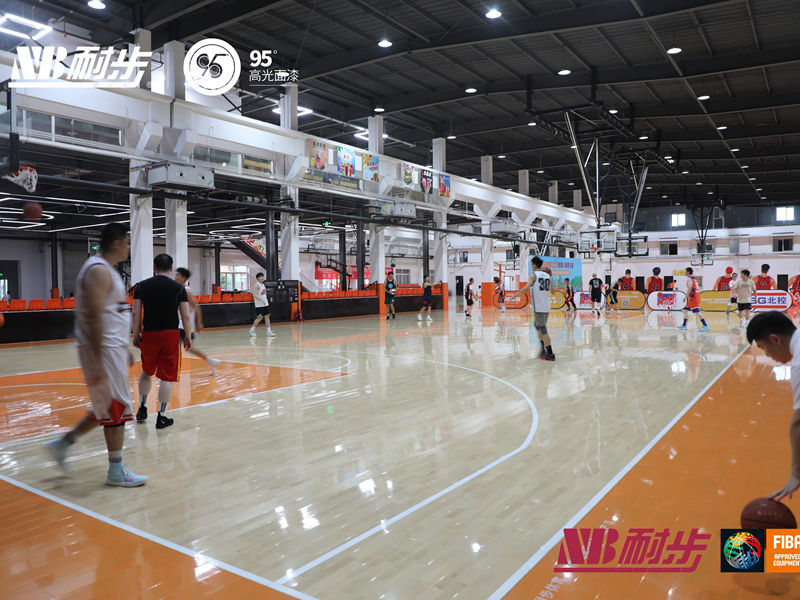
Sports wood flooring is not just a surface for athletes to play on; it is a carefully engineered system designed to enhance athletic performance and reduce the risk of injury. The science behind sports wood flooring involves a deep understanding of biomechanics, materials science, and engineering principles.
At the heart of sports wood flooring is its ability to absorb shock. When an athlete jumps, lands, or changes direction quickly, their body experiences significant forces that can put stress on joints and muscles. Sports wood flooring is designed to distribute these forces evenly across the floor, reducing the peak impact on any one area of the body. This is achieved through a combination of the surface layer, subfloor, and shock-absorbing materials that work together to create a responsive and forgiving surface.
Another key aspect of sports wood flooring is its traction. The surface must provide enough grip to prevent slipping while also allowing for smooth movement. This is achieved through the use of specialized finishes and textures that enhance friction without being too abrasive. The right amount of traction is crucial for athletes to perform at their best, as it allows them to make quick cuts, jumps, and pivots without fear of losing their footing.
Furthermore, sports wood flooring is designed to be resilient and durable. It must withstand the constant wear and tear of athletic activity, including scratches, dents, and impacts from equipment. The materials used in sports wood flooring are selected for their strength and resistance to damage, ensuring the floor remains in top condition for years to come.
In addition to its performance benefits, sports wood flooring also contributes to the overall atmosphere of a sports facility. Its natural beauty and warmth create a welcoming environment that enhances the experience for both athletes and spectators. The ability to customize the appearance of sports wood flooring with different colors, finishes, and designs further adds to its appeal.
In summary, the science behind sports wood flooring is a complex interplay of biomechanics, materials science, and engineering principles. By understanding and applying these principles, manufacturers can create floors that enhance athletic performance, reduce the risk of injury, and contribute to the overall success of a sports facility.
Leave a Reply