

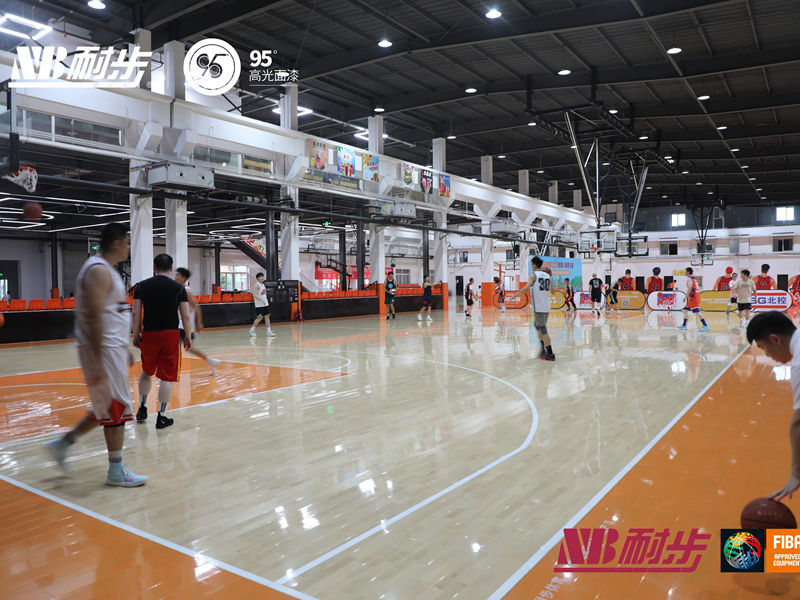
Sports wood flooring is not just a surface; it's a carefully engineered system designed to enhance athletic performance and safety. The science behind sports wood flooring involves a combination of materials, construction techniques, and finishes that work together to create a surface that is both responsive and forgiving.
At the heart of sports wood flooring is its multi-layered construction. Typically, these floors consist of a subfloor, an underlayment, and a top layer of hardwood. The subfloor provides a stable base, while the underlayment acts as a shock absorber, reducing the impact of jumps and landings. The top layer of hardwood, often maple or oak, is chosen for its durability and resilience. It is sanded and finished to create a smooth, even surface that allows for precise footwork and quick movements.
One of the key scientific principles behind sports wood flooring is its ability to distribute force evenly across the surface. When an athlete jumps or lands, the force is absorbed by the underlayment and then dispersed throughout the floor, reducing the stress on individual joints and muscles. This even distribution of force helps to prevent injuries and allows athletes to perform at their best without worrying about the surface giving way beneath them.
Another important aspect of sports wood flooring is its traction. The finish applied to the top layer of hardwood is designed to provide just the right amount of grip, allowing athletes to make quick turns and stops without slipping. This traction is crucial for sports like basketball and volleyball, where sudden changes in direction are common.
Furthermore, sports wood flooring is engineered to be temperature and humidity stable. This means that it won't expand or contract significantly with changes in environmental conditions, ensuring that the surface remains consistent and safe throughout the year. This stability is particularly important in arenas that host a variety of sports and events, as it allows for a seamless transition between different activities without the need for extensive adjustments to the flooring.
In conclusion, the science behind sports wood flooring is a testament to the importance of investing in high-quality surfaces for athletic performance. By understanding the principles of force distribution, traction, and stability, manufacturers can create floors that not only enhance performance but also protect athletes from injuries. As sports continue to push the boundaries of human ability, the role of sports wood flooring in supporting these achievements will only become more critical.
Leave a Reply