

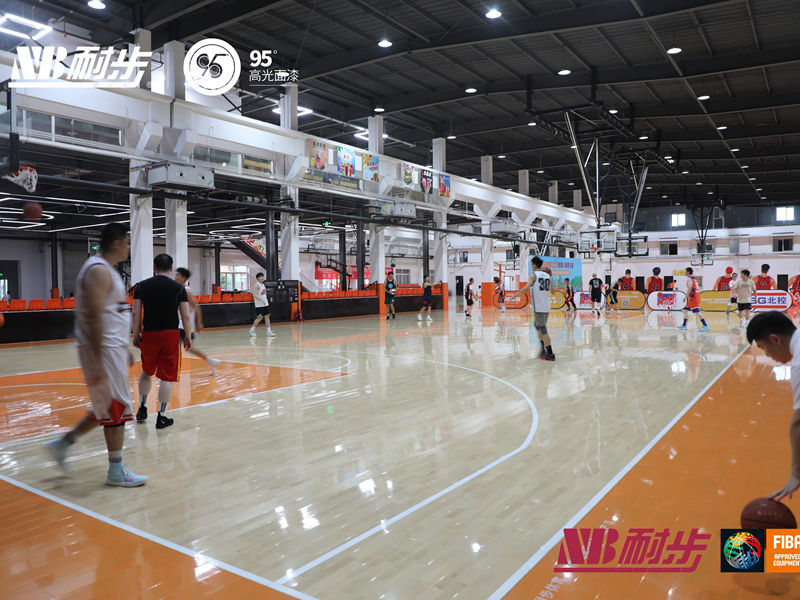
The science behind sports wood flooring is fascinating, blending principles of biomechanics, material science, and engineering to create surfaces that optimize athletic performance. At its core, sports wood flooring is designed to provide a balance between shock absorption and energy return, ensuring that athletes can move efficiently and safely.
Shock absorption is crucial in reducing the impact forces that athletes experience during jumps, landings, and sudden changes in direction. Excessive impact can lead to injuries such as stress fractures and joint pain, which can sideline athletes for extended periods. Sports wood flooring incorporates layers of cushioning materials, such as foam or rubber, beneath the wooden surface to absorb these forces, protecting athletes' bodies from unnecessary strain.
At the same time, sports wood flooring must also provide energy return, allowing athletes to generate power and speed with each step. This is achieved through the use of resilient wooden layers that flex slightly under pressure and then rebound, propelling athletes forward. The combination of shock absorption and energy return creates a surface that feels responsive and supportive, enhancing athletes' confidence and performance.
Another key aspect of sports wood flooring is its friction properties. The surface must provide enough grip to prevent slips and falls but not so much that it impedes movement or causes excessive wear on shoes. Engineers carefully control the texture and finish of the wooden surface to achieve the optimal balance, ensuring that athletes can move freely and safely.
In summary, the science behind sports wood flooring is a testament to human ingenuity and our understanding of the human body's needs during physical activity. By providing a surface that balances shock absorption, energy return, and friction, sports wood flooring enhances athletic performance, reduces the risk of injury, and creates a safer, more enjoyable playing environment.
Leave a Reply