

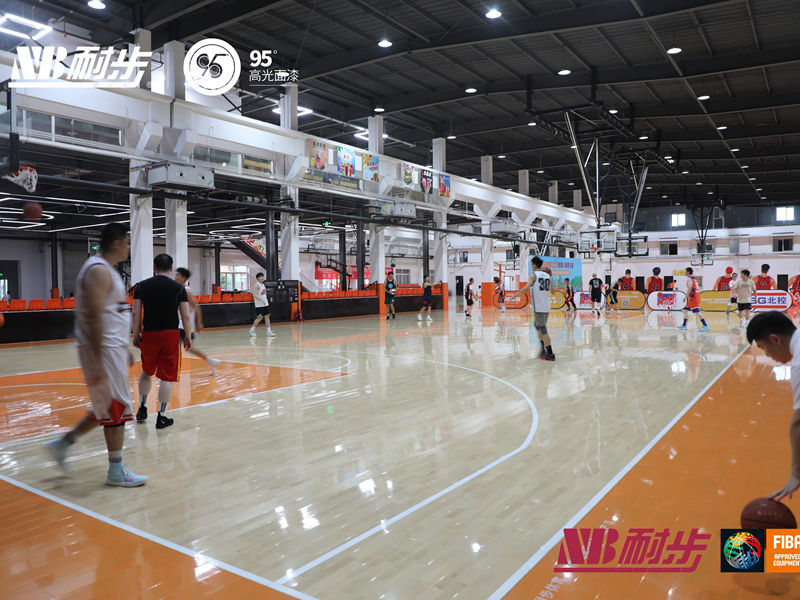
Basketball is a high-impact sport requiring flooring that minimizes injuries while optimizing gameplay. Indoor basketball courts typically use maple or oak wood due to their density and resilience. The subfloor structure plays a critical role: a pneumatic or rubber cushioning system absorbs shock, reducing stress on joints. Key metrics include vertical deformation (how much the floor compresses under impact), surface friction, and ball rebound height. FIBA-certified floors must adhere to strict tolerances. This article delves into the biomechanics of player movements and how flooring design mitigates risks like concussions and sprains, ensuring both performance and safety.
The Science Behind Indoor Basketball Court Flooring
Leave a Reply