

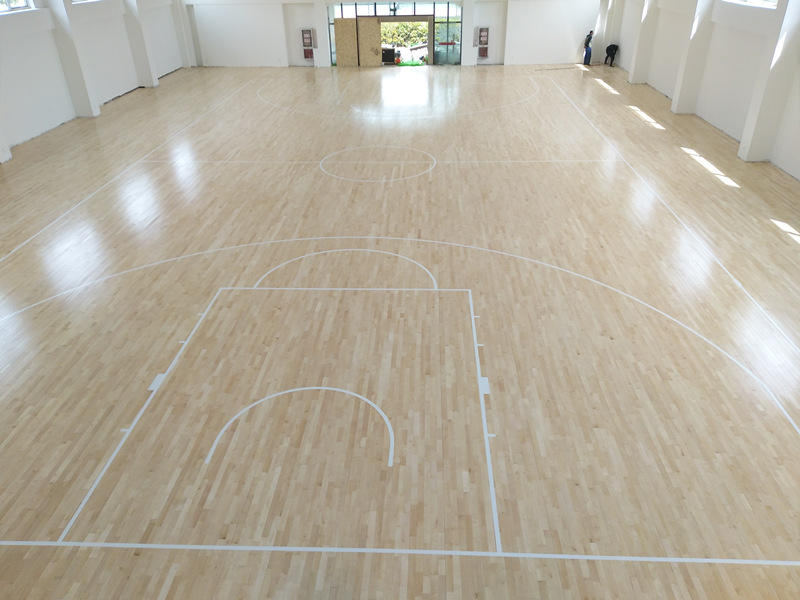
While the top layer of sports wood flooring often receives the most attention, the subfloor plays a crucial role in determining the overall performance and longevity of the flooring system. A well-designed subfloor can significantly enhance the shock absorption, stability, and resilience of the flooring, providing athletes with a safer and more comfortable playing surface.
The primary function of a subfloor is to distribute the load evenly across the flooring system, reducing the concentration of stress on any one area. This is particularly important in sports venues where heavy equipment and frequent foot traffic can create localized pressure points that can damage the flooring over time. A properly installed subfloor can help prevent such damage by providing a stable and supportive base for the top layer of wood.
In addition to load distribution, the subfloor also plays a key role in shock absorption. Many modern subfloor systems incorporate shock-absorbing pads or layers of foam or rubber that help absorb and disperse impact forces, reducing the strain on athletes' joints and muscles. This not only enhances player safety but also improves performance by providing a more responsive and forgiving surface.
Furthermore, the subfloor can contribute to the overall stability and resilience of the flooring system. A rigid and well-anchored subfloor can prevent the flooring from shifting or warping over time, ensuring that it maintains its flat and level surface. This is essential for sports like basketball and volleyball, where even slight irregularities in the flooring can affect player balance and coordination.
In conclusion, the subfloor is a critical component of sports wood flooring systems that should not be overlooked. Its ability to distribute load, absorb shock, and provide stability makes it an essential element in creating a high-performance and safe playing surface for athletes.
Leave a Reply