

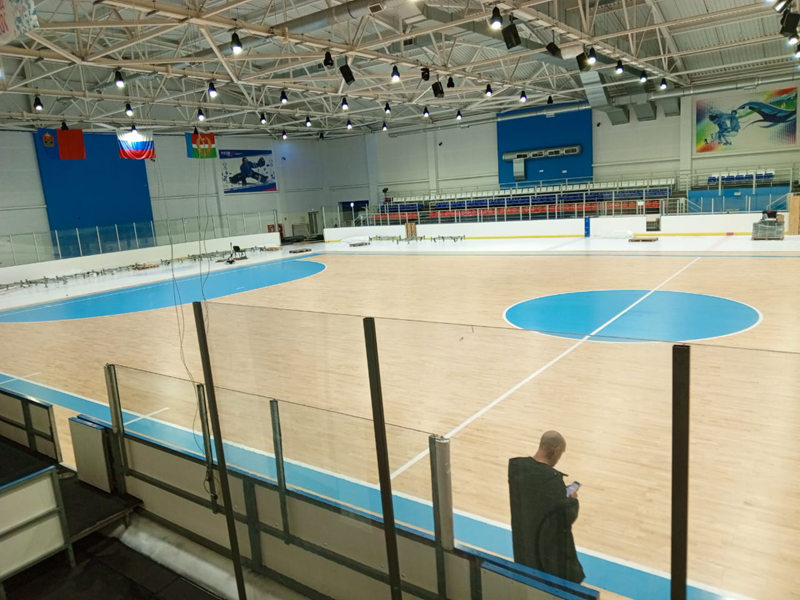
While the surface layer of an indoor basketball court wood flooring system gets a lot of attention, the subflooring plays a equally crucial role in ensuring the overall performance, durability, and safety of the floor. The subflooring provides a stable foundation for the wooden surface layer, helping to distribute loads evenly and absorb shock, making it an essential component of any high-quality basketball court.
The primary function of subflooring is to provide a level and stable base for the wooden floor. Basketball courts are subject to significant dynamic loads from athletes running, jumping, and pivoting, as well as static loads from equipment such as basketball hoops and bleachers. A well-designed subflooring system helps to distribute these loads evenly across the floor, preventing uneven settling or movement that could lead to damage or safety hazards.
One of the key components of subflooring is the use of resilient materials. Resilient subflooring materials, such as rubber pads or foam underlayments, are designed to absorb shock and reduce the impact on athletes' joints and muscles. This is particularly important in basketball, where high-intensity movements can put a lot of stress on the body. A resilient subfloor helps to cushion these impacts, providing a safer and more comfortable playing surface for athletes.
In addition to shock absorption, subflooring also plays a role in controlling moisture. Moisture can be a major problem for wooden floors, as it can cause the wood to warp, swell, or rot. A properly installed subflooring system includes a moisture barrier that prevents moisture from penetrating the wooden surface layer. This helps to protect the floor from damage and extend its useful life.
Another important aspect of subflooring is its ability to provide acoustic insulation. Basketball courts can be noisy environments, with the sound of shoes squeaking, balls bouncing, and spectators cheering. A well-designed subflooring system can help to absorb and dampen these sounds, reducing noise levels and creating a more pleasant playing and viewing experience. This is particularly important in multi-purpose facilities where the basketball court may be used for other activities as well.
The installation of subflooring requires careful planning and attention to detail. The subfloor must be level and free of any defects or irregularities that could affect the performance of the wooden surface layer. Additionally, the subflooring materials must be compatible with the wooden floor and the adhesive used to bond them together. Proper installation is essential to ensure that the subflooring performs as intended and provides a stable foundation for the wooden floor.
In conclusion, the subflooring plays a vital role in the performance, durability, and safety of an indoor basketball court wood flooring system. It provides a stable foundation, absorbs shock, controls moisture, and offers acoustic insulation, making it an essential component of any high-quality basketball court. Facility owners and designers should pay close attention to the subflooring when planning and constructing a new basketball court or renovating an existing one to ensure that the floor meets the highest standards of performance and safety.
Leave a Reply