

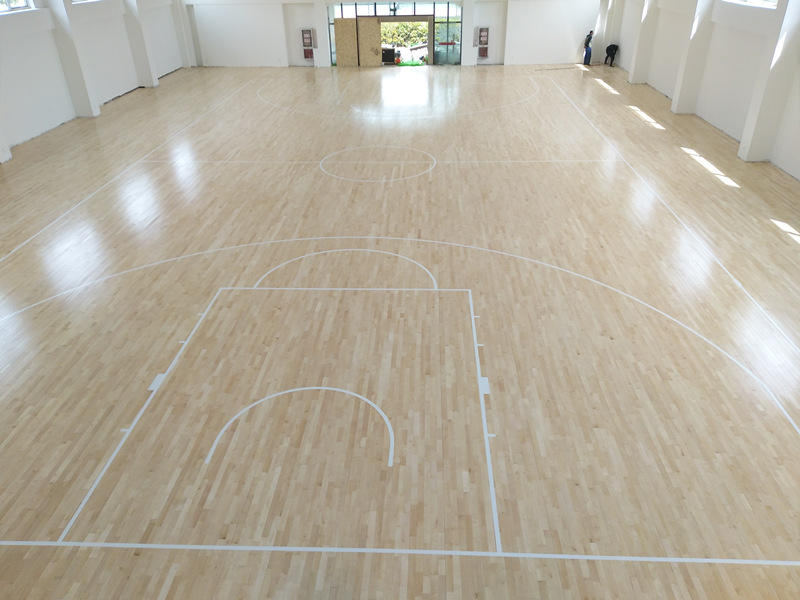
While the surface layer of sports wood flooring is crucial for providing a safe and resilient playing surface, the subfloor system plays an equally important role in enhancing overall performance. The subfloor, which lies beneath the wooden planks, is responsible for distributing loads, absorbing shock, and providing stability and support.
A well-designed subfloor system can significantly improve the shock-absorbing capabilities of sports wood flooring, reducing the risk of injuries to athletes by minimizing the impact on their joints. This is achieved through the use of specialized materials like rubber pads, foam layers, or spring systems that are strategically placed beneath the wooden planks to absorb and disperse energy.
In addition to shock absorption, the subfloor system also contributes to the flooring's stability and durability. By providing a solid foundation, the subfloor helps prevent the wooden planks from warping, cupping, or cracking over time, even under heavy use. This ensures that the flooring maintains its integrity and performance characteristics for an extended period.
Moreover, the subfloor system can be customized to meet the specific needs of different sports and activities. For example, a basketball court may require a subfloor with higher shock absorption to accommodate the constant jumping and landing of players, while a volleyball court may need a subfloor with better ball bounce and traction.
Overall, the role of subfloor systems in enhancing sports wood flooring performance cannot be overstated. By investing in a high-quality subfloor, sports facilities can ensure that their wooden flooring provides the optimal combination of safety, durability, and performance for their athletes.
Leave a Reply