

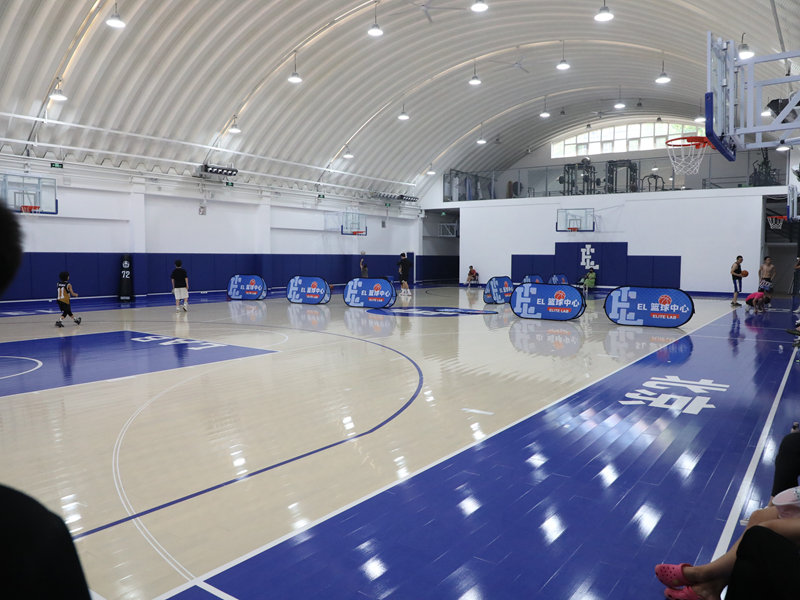
Injury prevention and athlete safety are paramount concerns in the world of sports. One often-overlooked aspect of athlete safety is the type of flooring used in sports arenas. Sports wood flooring plays a crucial role in reducing the risk of injuries and ensuring the well-being of athletes. Here's how sports wood flooring contributes to injury prevention and athlete safety:
Shock Absorption:
One of the primary functions of sports wood flooring is to absorb shock forces generated during jumps, landings, and sudden changes in direction. Excessive impact can lead to injuries such as stress fractures, joint pain, and concussions. Sports wood flooring incorporates layers of cushioning materials beneath the wooden surface to absorb these forces, protecting athletes' bodies from unnecessary strain. This shock absorption capability is particularly important in sports like basketball and volleyball, where athletes frequently jump and land with significant force.
Energy Return:
While shock absorption is crucial, sports wood flooring must also provide energy return to allow athletes to generate power and speed with each step. A surface that is too soft can impede movement and reduce performance, while a surface that is too hard can increase the risk of injury. Sports wood flooring strikes the perfect balance between shock absorption and energy return, creating a surface that feels responsive and supportive. This energy return capability helps athletes move efficiently and confidently, reducing the risk of slips, falls, and other accidents.
Optimal Friction:
The friction properties of sports wood flooring are also important for injury prevention. The surface must provide enough grip to prevent slips and falls but not so much that it impedes movement or causes excessive wear on shoes. Engineers carefully control the texture and finish of the wooden surface to achieve the optimal balance, ensuring that athletes can move freely and safely. This optimal friction level is particularly important in sports like basketball and soccer, where quick changes in direction and sudden stops are common.
Even Surface:
A level and even surface is essential for preventing trips and falls. Sports wood flooring is installed with precision to ensure that there are no bumps, dips, or uneven spots that could cause athletes to lose their balance. Additionally, regular maintenance and inspections help identify and address any issues promptly, ensuring that the floor remains safe and even over time.
Durability and Longevity:
Sports wood flooring is designed to withstand the wear and tear of frequent use and high traffic. Its durability ensures that it can maintain its shock absorption, energy return, and friction properties over time, reducing the risk of injuries due to floor deterioration. Additionally, the longevity of sports wood flooring means that arenas don't have to frequently replace the floor, which can be costly and disruptive to athletic schedules.
In summary, sports wood flooring plays a vital role in injury prevention and athlete safety by providing shock absorption, energy return, optimal friction, an even surface, and durability. By investing in high-quality sports wood flooring, arenas can create a safer, more supportive environment for athletes, reducing the risk of injuries and promoting health and well-being in the sports community.
Leave a Reply