

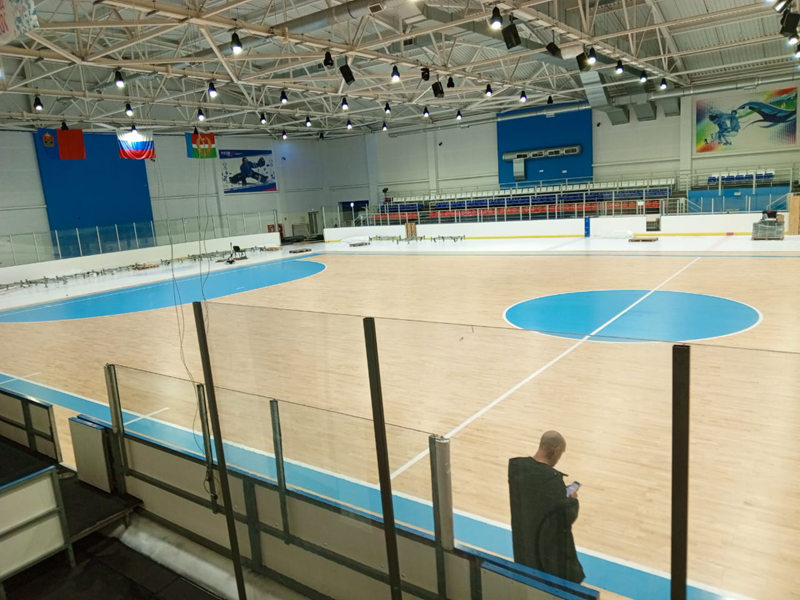
Injury prevention is a top priority for any sports facility, and sports wood flooring plays a crucial role in achieving this goal. The right flooring can significantly reduce the risk of injuries by providing a safe, stable, and supportive surface for athletes to train and compete on. Here's how sports wood flooring contributes to injury prevention.
One of the primary ways sports wood flooring prevents injuries is through shock absorption. When athletes jump, run, or pivot on a hard surface, the impact can be transmitted through their joints and muscles, leading to strains, sprains, or more serious injuries. Sports wood floors are designed to absorb and distribute this impact, reducing the stress on the body and minimizing the risk of injury.
Another important aspect of sports wood flooring is its slip resistance. A slippery floor can lead to falls, which are a common cause of injuries in sports. Sports wood floors are engineered to provide just the right amount of traction, allowing athletes to move freely and quickly without slipping. This balance is essential for sports that involve sudden changes in direction or speed, such as basketball or soccer.
Sports wood flooring also contributes to injury prevention by providing a stable and level surface. Uneven or unstable floors can cause athletes to lose their balance or twist their ankles, leading to injuries. Sports wood floors are installed with precision and care, ensuring that they are level and free from defects that could pose a hazard.
In addition to these physical properties, sports wood flooring can also play a role in injury prevention through its design and layout. For example, some sports wood floors are designed with specific zones or markings that help athletes maintain proper spacing and positioning during play. This can reduce the risk of collisions or accidental contact, which are common causes of injuries in team sports.
In conclusion, sports wood flooring plays a vital role in injury prevention by providing shock absorption, slip resistance, stability, and a well-designed playing surface. By investing in high-quality sports wood floors, facilities can create a safer environment for athletes to train and compete, reducing the risk of injuries and promoting long-term health and well-being.
Leave a Reply