

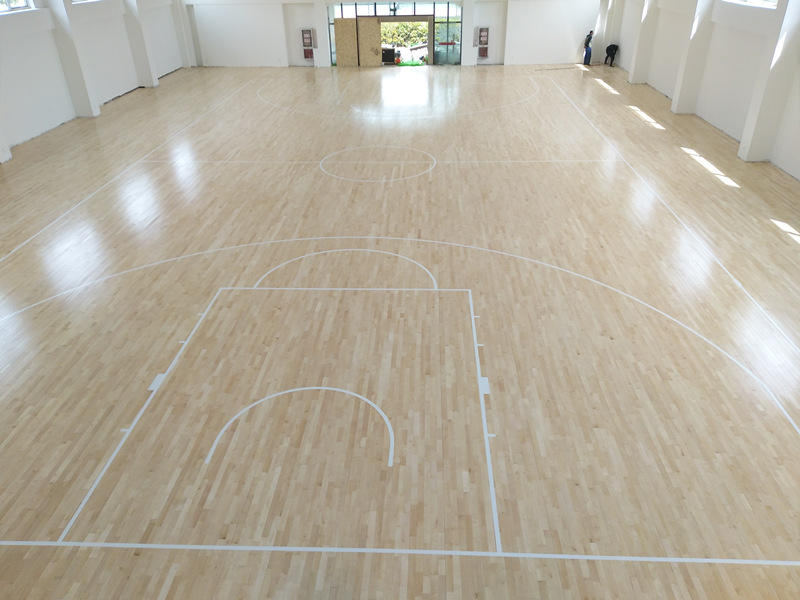
Injury prevention is a top priority in any sports setting, and indoor sports flooring plays a crucial role in reducing the risk of injuries among athletes. By providing a safe and supportive surface for physical activities, well-designed sports flooring can help minimize the impact of falls, collisions, and repetitive movements on the body.
One of the primary ways indoor sports flooring prevents injuries is through shock absorption. When athletes land on a hard surface after jumping or running, the impact forces can be transmitted through their joints, leading to strains, sprains, or even fractures. A sports floor with good shock absorption properties can absorb and disperse these forces, reducing the stress on the joints and muscles. This is particularly important in sports like basketball, where players frequently jump and land, and in gymnastics, where athletes perform complex aerial maneuvers.
Another important aspect of injury prevention is traction. A floor with proper traction can help athletes maintain their balance and prevent slips and falls during fast-paced movements. However, excessive traction can also increase the risk of injuries, such as ankle sprains, if an athlete's foot gets stuck on the surface. Therefore, sports flooring should be designed to provide the right amount of grip, allowing athletes to move freely and safely without sacrificing performance.
In addition to shock absorption and traction, indoor sports flooring should also be free from hazards such as sharp edges, protruding nails, or uneven surfaces. Regular maintenance and inspection of the floor are essential to identify and address any potential safety issues promptly.
Overall, investing in high-quality indoor sports flooring that prioritizes injury prevention is a proactive approach to ensuring the health and well-being of athletes. By providing a safe and supportive environment for physical activities, sports flooring can help athletes perform at their best while minimizing the risk of injuries.
Leave a Reply