

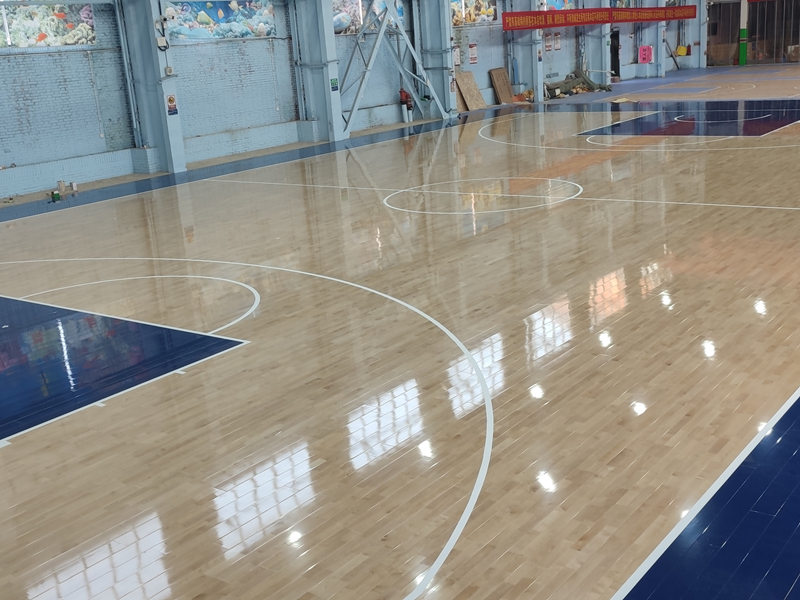
Indoor sports flooring plays a crucial role in injury prevention, providing athletes with a surface that is both supportive and forgiving. The right flooring can help reduce the risk of common sports injuries like sprains, strains, and fractures, while also enhancing athletic performance and overall user experience.
One of the primary ways that indoor sports flooring prevents injuries is through shock absorption. When athletes jump, land, or pivot on a hard surface, the impact can cause significant stress on their joints and muscles. Over time, this stress can lead to chronic injuries like tendinitis or stress fractures. However, a floor with good shock absorption properties can help reduce this stress by absorbing a portion of the impact, thereby protecting the athletes' bodies.
Another way that indoor sports flooring prevents injuries is through its slip resistance. A slippery surface can increase the risk of falls and collisions, which can result in serious injuries like concussions or broken bones. However, a floor with good slip resistance provides athletes with the traction they need to move quickly and change direction safely, reducing the risk of accidents.
The durability of the flooring also plays a role in injury prevention. A floor that is prone to cracking, warping, or other forms of damage can create uneven surfaces or loose edges that can trip or catch athletes, leading to injuries. However, a durable floor that is resistant to wear and tear can maintain a smooth, even surface over time, reducing the risk of accidents.
In addition to these physical properties, the design of the flooring can also contribute to injury prevention. For example, a floor with a non-reflective surface can help reduce glare, which can impair athletes' vision and increase the risk of collisions. Similarly, a floor with a consistent color or pattern can help athletes maintain their spatial awareness, reducing the risk of running into walls or other obstacles.
Finally, the choice of flooring can also impact the overall safety culture of a sports facility. A facility that invests in high-quality, safe flooring demonstrates a commitment to the well-being of its athletes, which can foster a culture of safety and responsibility among all users. This can lead to better adherence to safety rules and procedures, further reducing the risk of injuries.
In conclusion, indoor sports flooring plays a vital role in injury prevention by providing athletes with a surface that is supportive, forgiving, and safe. Facility owners should carefully consider the physical properties, design, and overall safety culture of their flooring choices to ensure the well-being of their athletes.
Leave a Reply