

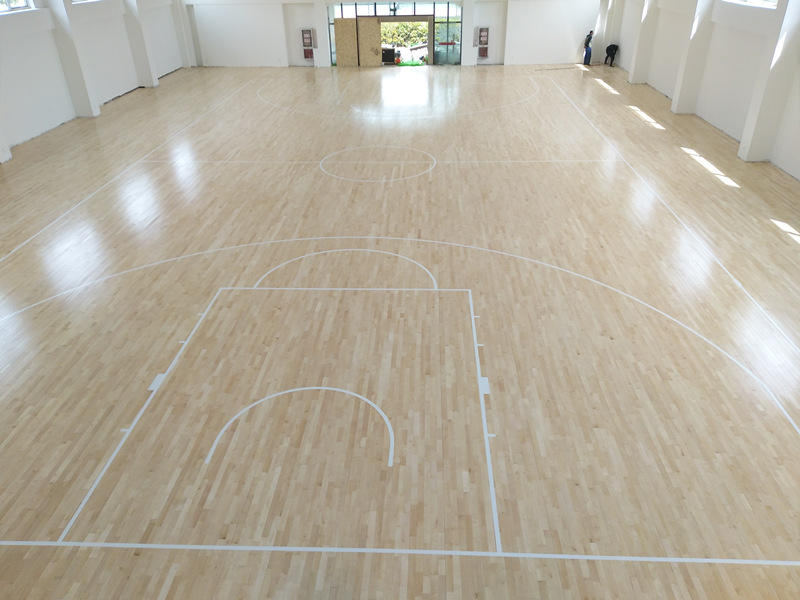
Grip and slip resistance are crucial aspects of indoor sports flooring that directly impact athlete safety and performance. A floor with inadequate grip can cause athletes to slip and fall, leading to injuries and disruptions in play. Conversely, a floor with excessive grip can restrict movement and make it difficult for athletes to change direction quickly.
The ideal indoor sports floor should provide a balance between grip and slip resistance, allowing athletes to move freely and confidently without the risk of slipping. This is achieved through the use of specialized coatings and textures that enhance traction while maintaining a smooth surface.
Many modern sports floors incorporate anti-slip additives into their top layers, creating a micro-textured surface that increases friction between the shoe and the floor. This helps to prevent slips and falls, even in wet or sweaty conditions. Additionally, some floors feature directional textures or patterns that guide the movement of athletes, further enhancing grip and stability.
Grip and slip resistance are particularly important in sports that involve rapid changes in direction, such as basketball, tennis, and volleyball. In these sports, the ability to stop, start, and pivot quickly is essential for performance and safety. A floor with optimal grip and slip resistance can help athletes to execute these movements with precision and confidence.
When selecting indoor sports flooring, it is important to consider the specific grip and slip resistance requirements of the sport or activity. Testing the floor under simulated playing conditions can help to ensure that it meets the necessary safety and performance standards.
Leave a Reply