

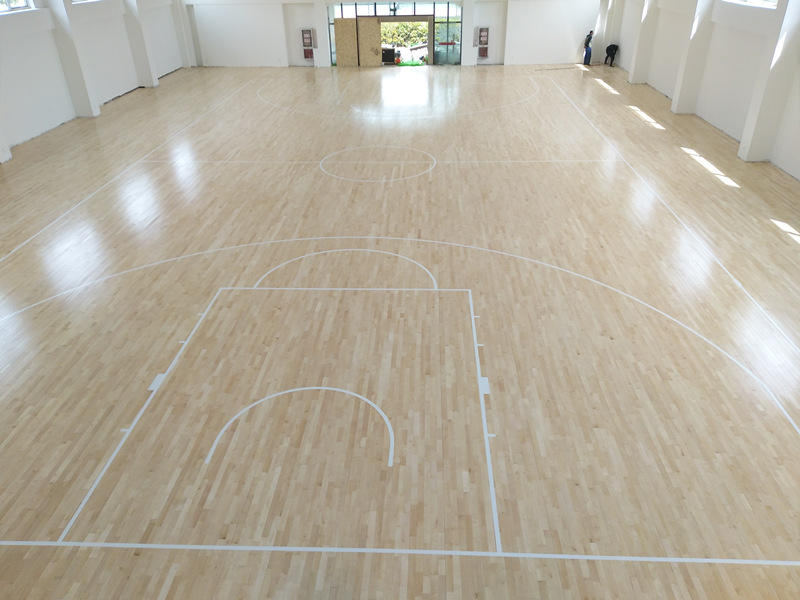
Friction plays a pivotal role in the performance of sports wood flooring, influencing athletes' ability to move freely, change direction, and maintain balance. The right amount of friction is essential for optimal performance, as too little can lead to slipping and injuries, while too much can restrict movement and cause fatigue.
Sports wood flooring is designed to provide a specific level of friction that balances these factors. The surface texture of the floor, along with the type of finish applied, determines the coefficient of friction, which is a measure of how much resistance there is to sliding. A floor with a high coefficient of friction will offer more grip, preventing athletes from slipping, while a floor with a low coefficient of friction will allow for smoother movement.
The choice of wood species also affects the friction properties of sports flooring. Some woods, like maple, have a naturally higher coefficient of friction due to their grain structure and density. These woods are often preferred for sports flooring because they provide a good balance of grip and slip resistance. However, the finish applied to the wood can also significantly alter its friction properties. A glossy finish, for example, may reduce friction, while a matte finish may increase it.
In addition to the wood species and finish, the construction method of the sports wood flooring can also influence friction. Multi-layered floors with underlayments and subfloors can provide additional cushioning and shock absorption, which can indirectly affect friction by reducing the impact forces on the athletes' feet and legs. This, in turn, can help athletes maintain better balance and control, even on surfaces with lower friction coefficients.
Maintaining the right level of friction on sports wood flooring is crucial for athlete safety and performance. Regular cleaning and maintenance are essential to ensure that the floor remains free of debris and contaminants that can alter its friction properties. Additionally, sports facilities should consider using specialized cleaning products and techniques that are designed to preserve the floor's finish and friction characteristics.
In conclusion, friction is a key factor in sports wood flooring performance that should be carefully considered when selecting and maintaining a floor. By choosing a floor with the right level of friction and implementing proper maintenance practices, sports facilities can create a safer and more enjoyable environment for athletes to compete in.
Leave a Reply