

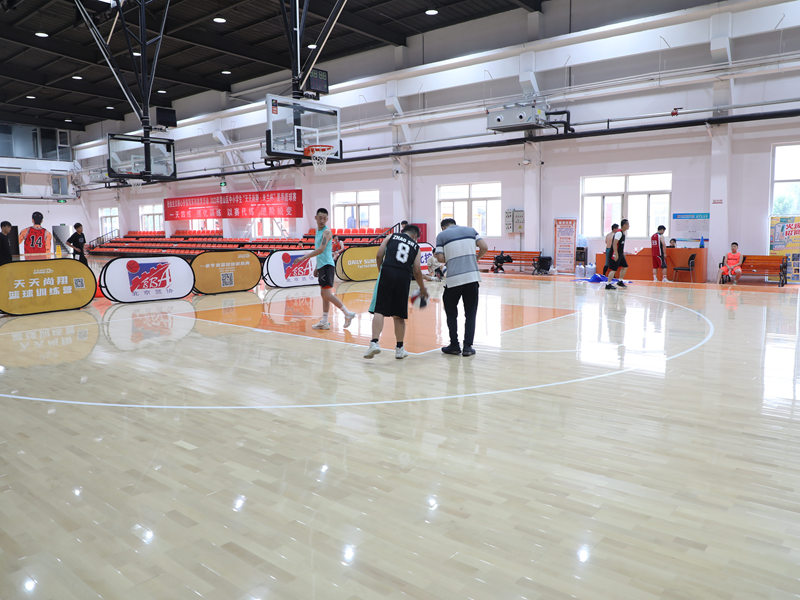
The installation process of indoor sports flooring is a critical step in ensuring its performance and longevity. A properly installed floor will provide a safe and functional playing environment for athletes, while a poorly installed floor can lead to problems such as uneven surfaces, poor grip, and premature wear and tear.
The installation process typically begins with a thorough assessment of the subfloor to ensure that it is level, clean, and free of any defects or moisture issues. This is followed by the installation of any necessary underlays or shock-absorbing layers, which help to distribute impact forces and improve the overall performance of the floor.
Next, the top layer of the floor is installed, which can be made from a variety of materials such as rubber, vinyl, or polyurethane. This layer is carefully laid out and secured to the underlay, ensuring a smooth and even surface. In some cases, specialized coatings or finishes may be applied to enhance grip, slip resistance, or aesthetic appeal.
Throughout the installation process, it is important to follow the manufacturer's instructions and industry best practices to ensure that the floor is installed correctly. This includes using the appropriate tools and equipment, maintaining proper temperature and humidity levels, and allowing sufficient time for curing or drying between steps.
A professional installation team with experience in installing indoor sports flooring can help to ensure that the process goes smoothly and that the floor performs as expected. By investing in a proper installation, sports facilities can avoid costly repairs or replacements down the line and provide a safe and high-quality playing environment for athletes.
Leave a Reply