

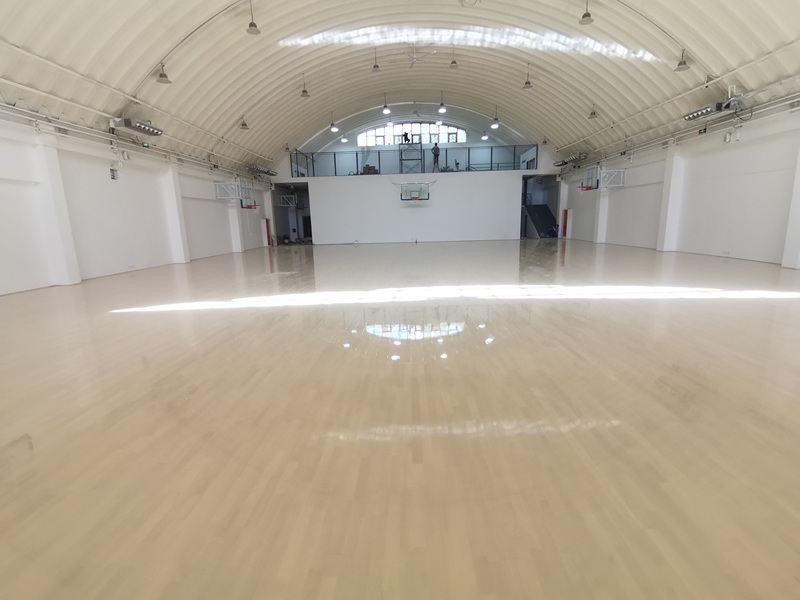
Sports wood flooring has a significant influence on athlete performance and safety, providing a surface that is both durable and supportive, allowing athletes to perform at their best while minimizing the risk of injuries. The choice of flooring material, construction method, and maintenance practices all play a role in determining the floor's impact on athlete performance and safety.
One of the key ways in which sports wood flooring influences athlete performance is through its shock absorption capabilities. A floor with excellent shock absorption properties helps to reduce the impact forces generated when athletes jump, run, or land, protecting their joints and muscles from stress and fatigue. This not only enhances safety but also allows athletes to maintain their energy levels for longer periods, improving endurance and overall performance.
The friction properties of sports wood flooring also play a crucial role in athlete performance and safety. The right level of friction ensures that athletes can move freely and change direction without slipping, reducing the risk of falls and injuries. A floor with too little friction can be slippery and dangerous, while a floor with too much friction can restrict movement and cause fatigue. Sports wood flooring is designed to provide a specific level of friction that balances these factors, creating a safe and optimal playing environment.
In addition to shock absorption and friction, the stability and durability of sports wood flooring also influence athlete performance and safety. A stable floor that does not move or shift under pressure provides a reliable surface for athletes to compete on, reducing the risk of accidents and injuries. A durable floor that resists wear and tear ensures that the playing surface remains consistent and safe over time, even with heavy use.
Furthermore, the aesthetic appeal of sports wood flooring can also have an impact on athlete performance and motivation. A well-maintained, visually appealing floor can create a more inviting and motivating environment for athletes, encouraging them to perform at their best. Conversely, a worn or damaged floor can be demotivating and even distracting, affecting athlete focus and performance.
In conclusion, sports wood flooring has a significant influence on athlete performance and safety. By choosing a floor with excellent shock absorption, friction, stability, and durability, and implementing proper maintenance practices, sports facilities can create a safer, more enjoyable, and more motivating playing environment for athletes, enhancing their performance and reducing the risk of injuries.
Leave a Reply