

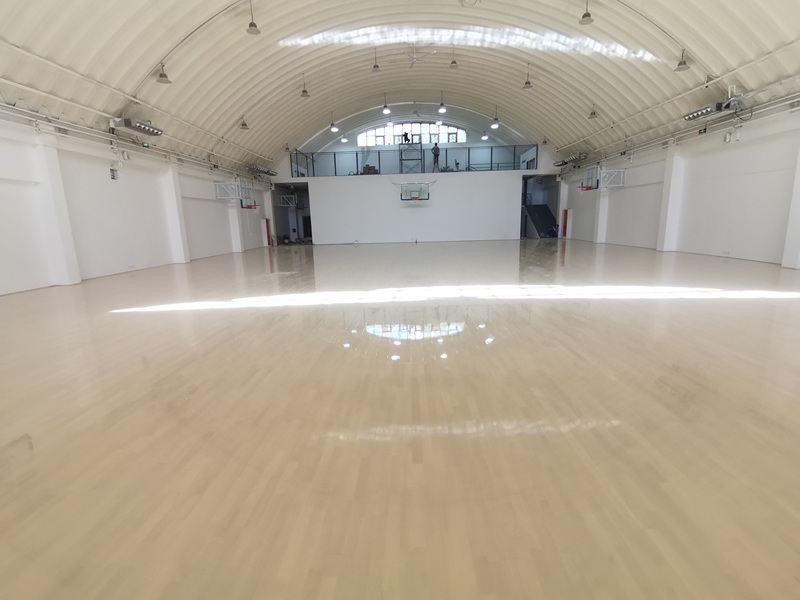
Proper installation techniques are crucial for ensuring the performance, safety, and longevity of sports wood flooring. A poorly installed floor can lead to a host of issues, including uneven surfaces, reduced shock absorption, and increased risk of injuries. Therefore, it's essential to follow best practices and industry standards when installing sports wood flooring.
One of the first steps in proper installation is preparing the subfloor. The subfloor must be clean, dry, and level to provide a stable foundation for the wood panels. Any imperfections or irregularities in the subfloor can transfer to the surface of the floor, causing unevenness and potential safety hazards. Additionally, the subfloor must be properly acclimated to the facility's humidity and temperature conditions to prevent swelling or shrinking of the wood panels after installation.
Next, the wood panels must be carefully selected and arranged. It's important to choose panels that are of consistent quality and thickness to ensure a uniform surface. Additionally, the panels should be arranged in a pattern that minimizes the visibility of seams and joints, enhancing the floor's aesthetic appeal. Some installation techniques, such as floating floors or interlocking panels, can provide additional stability and ease of installation.
During installation, it's crucial to use the appropriate fasteners and adhesives. The type and size of fasteners will depend on the type of wood panels and subfloor material being used. It's important to follow the manufacturer's recommendations for fastener spacing and depth to ensure a secure and stable installation. Additionally, adhesives should be applied evenly and sparingly to prevent excess buildup that can interfere with the floor's shock absorption capabilities.
After installation, the floor must be properly finished and sealed. The finish protects the wood from damage and wear, while the sealant helps to prevent moisture penetration and maintain the floor's structural integrity. It's important to follow the manufacturer's instructions for application and curing times to ensure a durable and long-lasting finish.
Finally, it's essential to conduct a thorough inspection of the floor after installation to ensure that it meets industry standards and safety requirements. Look for any signs of unevenness, loose panels, or other issues that may need to be addressed before the floor is put into use.
In conclusion, proper installation techniques are essential for ensuring the performance, safety, and longevity of sports wood flooring. By following best practices and industry standards during subfloor preparation, panel selection and arrangement, fastener and adhesive application, finishing and sealing, and post-installation inspection, facility owners and managers can install a floor that provides a safe, high-performance playing surface for their athletes.
Leave a Reply