

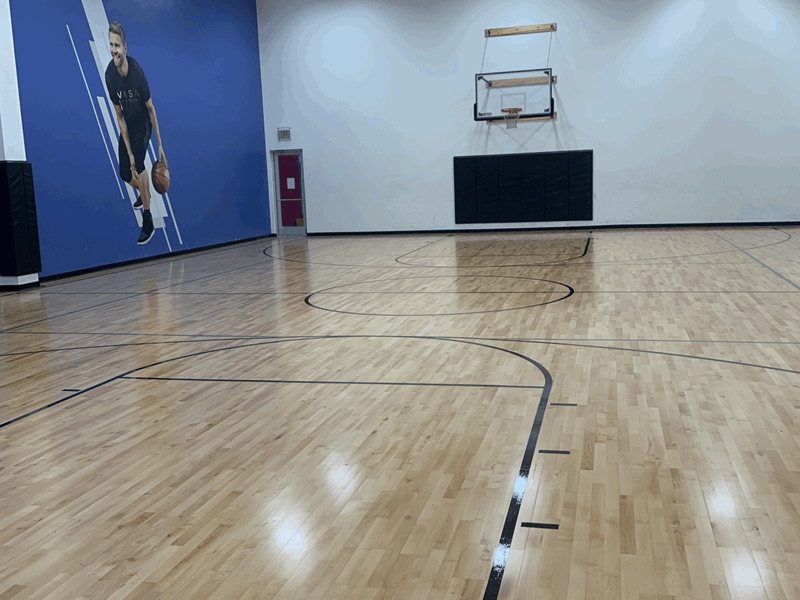
Indoor air quality is a critical concern in sports facilities, where athletes and spectators spend extended periods of time. Poor indoor air quality can lead to a range of health issues, including respiratory problems, allergies, and fatigue. Sports wood flooring, when properly selected and maintained, can have a positive impact on indoor air quality, contributing to a healthier and more comfortable environment.
One of the key ways sports wood flooring affects indoor air quality is through its use of low-VOC (volatile organic compound) adhesives and finishes. VOCs are chemicals that can be released into the air from various building materials, including flooring. High levels of VOCs can cause irritation to the eyes, nose, and throat, as well as more serious health issues over time. By choosing low-VOC adhesives and finishes, sports wood flooring manufacturers can minimize the release of these harmful chemicals, improving indoor air quality.
Another way sports wood flooring contributes to better indoor air quality is through its natural properties. Wood is a porous material that can absorb and release moisture, helping to regulate humidity levels in the space. This can prevent the growth of mold and mildew, which thrive in damp environments and can release spores into the air that can cause respiratory problems.
Additionally, regular cleaning and maintenance of sports wood floors can further improve indoor air quality by removing dust, dirt, and other allergens that can accumulate on the surface.
In conclusion, sports wood flooring can have a significant impact on indoor air quality when properly selected and maintained. By choosing low-VOC materials, leveraging wood's natural properties, and following a regular cleaning schedule, facility managers can create a healthier and more comfortable environment for athletes and spectators alike.
Leave a Reply