

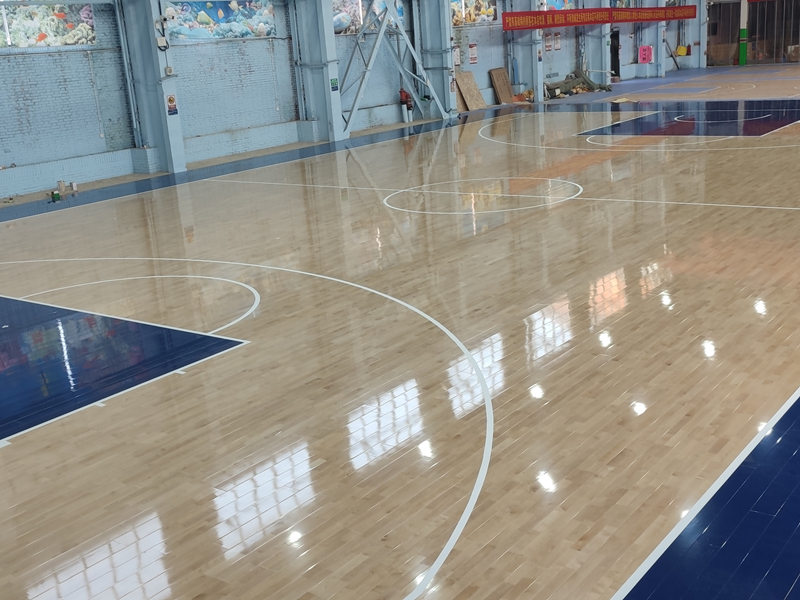
Sports wood flooring has a profound impact on athlete performance and safety, providing a surface that is both supportive and responsive to the demands of various sports. The design and construction of sports wood flooring are carefully engineered to optimize these critical factors, ensuring that athletes can perform at their best while minimizing the risk of injuries.
One of the key benefits of sports wood flooring is its shock-absorbing properties. The subfloor system, which often includes shock-absorbing pads or springs, is designed to reduce the impact forces transmitted to athletes' joints during jumps and falls. This not only reduces the risk of acute injuries such as sprains and fractures but also helps to prevent chronic injuries caused by repetitive stress on the joints.
Additionally, sports wood flooring provides consistent ball bounce and traction, which are essential for sports such as basketball and volleyball. A well-maintained wood floor ensures that the ball bounces predictably, allowing athletes to anticipate and react quickly to game situations. Similarly, the traction provided by the floor helps athletes to maintain their footing and avoid slips and falls, further enhancing safety and performance.
The aesthetic appeal of sports wood flooring also plays a role in athlete performance and morale. A visually appealing floor can create a positive and motivating environment for athletes, boosting their confidence and enthusiasm for the game. This, in turn, can lead to improved performance and a more enjoyable playing experience.
In conclusion, sports wood flooring has a significant impact on athlete performance and safety, providing a surface that is both supportive and responsive to the demands of various sports. Its shock-absorbing properties, consistent ball bounce, traction, and aesthetic appeal all contribute to creating an optimal playing environment for athletes.
Leave a Reply