

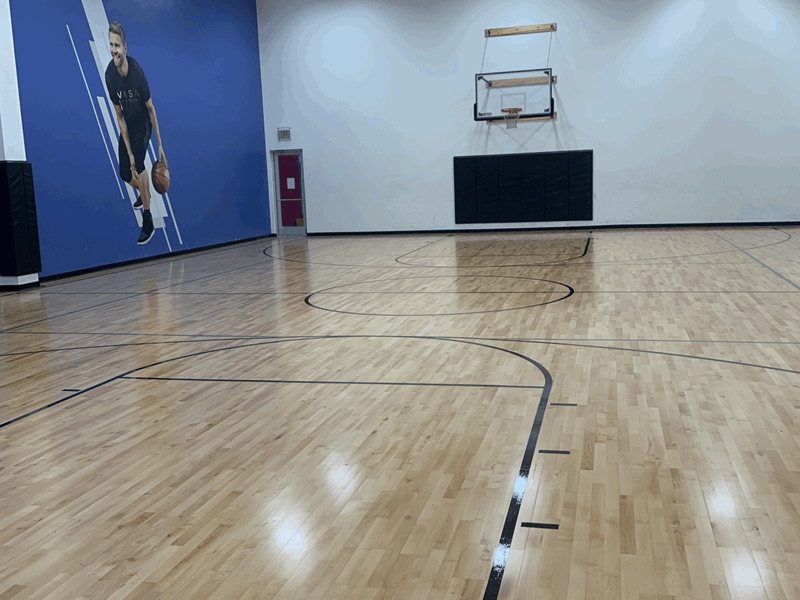
Indoor air quality is a critical consideration for athletic facilities, as poor air quality can impact the health and performance of athletes and staff. This article discusses the impact of indoor sports wood flooring on indoor air quality and highlights its benefits in this regard.
Low VOC Emissions
One of the primary benefits of indoor sports wood flooring is its low volatile organic compound (VOC) emissions. VOCs are chemicals that can be emitted from building materials and furnishings, contributing to indoor air pollution and potentially causing health problems such as headaches, nausea, and respiratory issues. Wood flooring, particularly when finished with low-VOC coatings, emits minimal VOCs, helping to maintain a healthy indoor environment.
Natural Insulation and Air Circulation
Wood is a natural insulator that helps regulate indoor temperatures and reduce the need for mechanical heating and cooling systems. This can improve indoor air quality by reducing the circulation of dust and allergens that can be stirred up by forced-air systems. Additionally, the smooth surface of wood flooring allows for efficient air circulation, which can help disperse odors and maintain a fresh and clean atmosphere.
Hypoallergenic Properties
Indoor sports wood flooring is also hypoallergenic, meaning it is less likely to trigger allergic reactions in sensitive individuals. Unlike carpets or synthetic flooring materials that can trap dust, pollen, and other allergens, wood floors are easy to clean and do not provide a breeding ground for allergens. This makes them an ideal choice for athletic facilities where athletes and staff may have allergies or respiratory sensitivities.
Sustainable Production Practices
Many manufacturers of indoor sports wood flooring are adopting sustainable production practices that further contribute to improved indoor air quality. This includes using low-VOC finishes and adhesives, as well as investing in renewable energy sources to power their production facilities. By choosing wood flooring from manufacturers that prioritize sustainability, athletic facilities can reduce their environmental impact and promote healthier indoor air quality.
Leave a Reply