

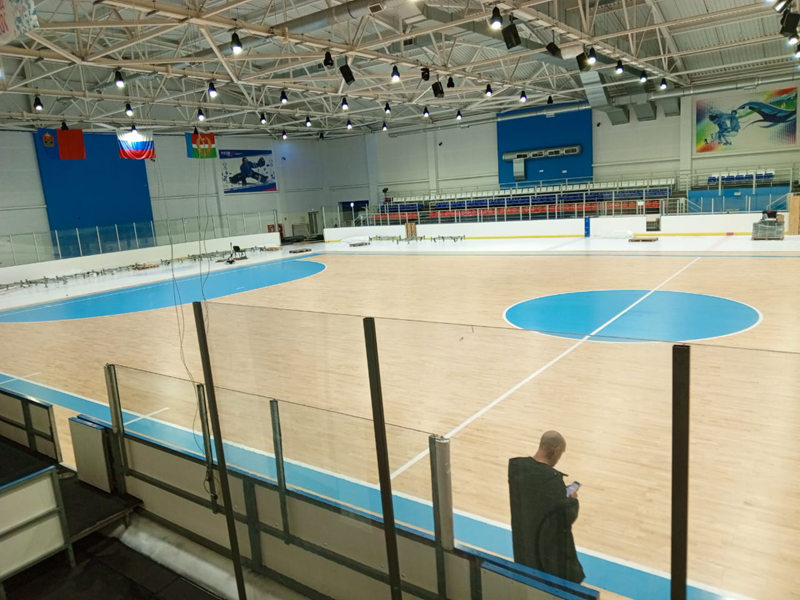
Indoor sports wood flooring has a profound impact on athletic performance, influencing various aspects of an athlete's movement, skill execution, and overall physical well - being. Understanding these impacts can help athletes, coaches, and sports facility owners appreciate the importance of choosing the right flooring for optimal performance.
One of the most significant ways in which indoor sports wood flooring affects athletic performance is through its shock - absorbing properties. When an athlete jumps, lands, or makes sudden movements on the floor, the shock - absorbing layer of the wood flooring helps to reduce the impact on their joints, such as the knees, ankles, and hips. This reduction in impact force can minimize the risk of injuries like sprains, strains, and stress fractures, allowing athletes to train and compete more frequently and at higher intensities without excessive wear and tear on their bodies.
The resilience of the wood flooring also plays a crucial role in athletic performance. A resilient floor provides a consistent and lively bounce, which is essential in sports like basketball and volleyball. In basketball, for example, a good bounce allows players to make accurate passes, shoot with proper form, and perform rebounds effectively. A consistent bounce ensures that the ball behaves predictably, enabling players to develop their skills and execute strategies more efficiently. Similarly, in volleyball, a resilient floor helps players to jump higher for spikes and blocks, enhancing the overall quality of the game.
Traction is another important factor influenced by indoor sports wood flooring. A floor with good traction provides athletes with the necessary grip to change direction quickly, accelerate, and decelerate without slipping. This is particularly crucial in sports that involve rapid movements, such as basketball, soccer (indoor version), and handball. Proper traction allows athletes to maintain their balance and control, reducing the likelihood of falls and injuries. It also enables them to perform more complex maneuvers with confidence, improving their overall performance.
The surface texture of the wood flooring can also impact athletic performance. A smooth but not overly slippery surface is ideal for most indoor sports. A surface that is too rough can cause excessive friction, slowing down athletes' movements and making it difficult to perform quick changes of direction. On the other hand, a surface that is too smooth can lead to a lack of traction, increasing the risk of slips and falls. The right surface texture provides a balance between traction and smoothness, allowing athletes to move freely and perform at their best.
In addition to these physical factors, the psychological aspect of playing on a high - quality indoor sports wood flooring cannot be ignored. A well - maintained and aesthetically pleasing floor can boost athletes' confidence and motivation. Knowing that they are playing on a safe and high - performance surface can give athletes the mental edge they need to perform at their peak. It can also create a positive and professional atmosphere during training and competitions, enhancing the overall experience for everyone involved.
In conclusion, indoor sports wood flooring has a multi - faceted impact on athletic performance. Its shock - absorbing properties, resilience, traction, surface texture, and psychological effects all contribute to creating an environment that enables athletes to perform at their highest level while minimizing the risk of injuries. As such, choosing the right indoor sports wood flooring is of utmost importance for any sports facility aiming to provide a top - notch experience for its athletes.
Leave a Reply