

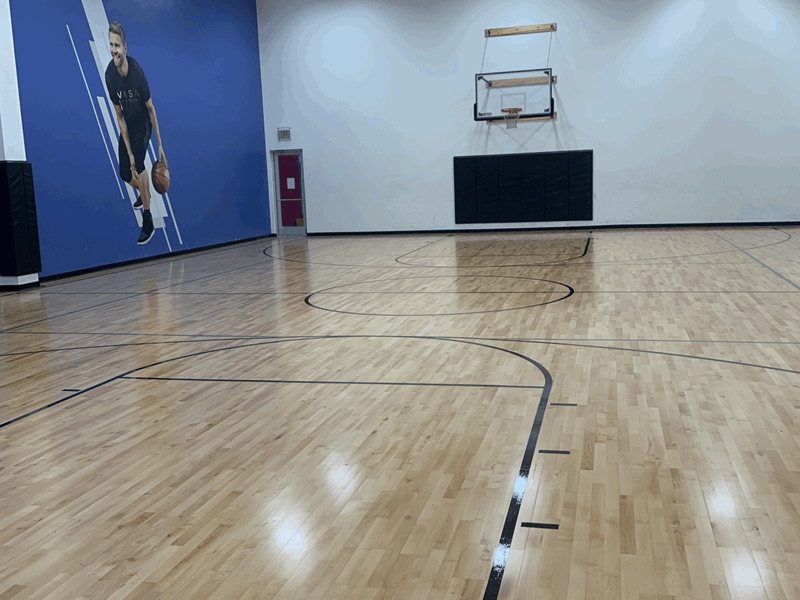
Indoor sports flooring has a significant impact on athletic performance, influencing everything from speed and agility to endurance and power. The right flooring can enhance an athlete's abilities, while the wrong flooring can hinder their performance and increase the risk of injury.
One of the primary ways that indoor sports flooring affects athletic performance is through its shock absorption properties. A floor with good shock absorption can help reduce the impact on athletes' joints and muscles during jumps and landings, allowing them to perform at a higher level without experiencing excessive fatigue or discomfort. This can be particularly important in sports like basketball or volleyball, where athletes are constantly jumping and landing.
Another way that indoor sports flooring affects performance is through its traction. A floor with good slip resistance provides athletes with the grip they need to move quickly and change direction safely, without slipping or sliding. This can enhance their speed and agility, allowing them to react more quickly to opponents' moves or changes in the game.
The durability of the flooring also plays a role in athletic performance. A floor that is prone to damage or wear and tear can create uneven surfaces or loose edges that can trip or catch athletes, disrupting their rhythm and flow. However, a durable floor that maintains a smooth, even surface over time can provide athletes with a consistent playing experience, allowing them to focus on their performance without worrying about the condition of the floor.
In addition to these physical properties, the design of the flooring can also impact athletic performance. For example, a floor with a non-reflective surface can help reduce glare, which can impair athletes' vision and slow down their reaction times. Similarly, a floor with a consistent color or pattern can help athletes maintain their spatial awareness, reducing the risk of running into walls or other obstacles and allowing them to move more freely and confidently.
Finally, the psychological impact of the flooring should not be overlooked. A well-designed, visually appealing floor can boost athletes' morale and confidence, making them more likely to perform at their best. Conversely, a worn-out or unattractive floor can have a negative impact on athletes' motivation and focus, hindering their performance.
In conclusion, indoor sports flooring has a profound impact on athletic performance, influencing everything from physical abilities to psychological well-being. Facility owners should carefully consider the shock absorption, traction, durability, design, and overall aesthetic appeal of their flooring choices to ensure that they are providing athletes with the best possible playing environment.
Leave a Reply