

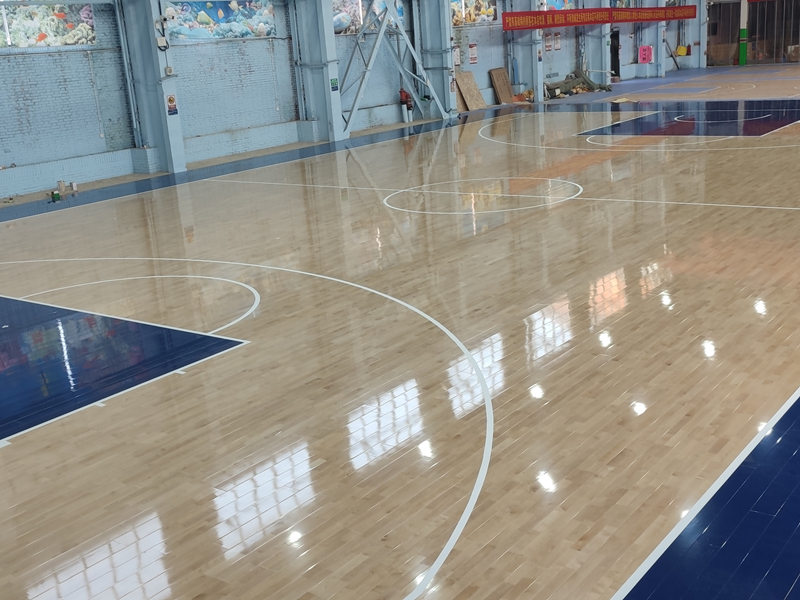
Humidity and temperature are two critical factors that can significantly affect the performance and longevity of sports wood flooring. Understanding how these environmental conditions interact with wood flooring is essential for maintaining a safe and high-quality playing surface.
Wood is a hygroscopic material, meaning it absorbs and releases moisture from the surrounding environment. When the humidity level is high, wood flooring can absorb moisture and swell, leading to cupping, warping, or buckling. Conversely, when the humidity level is low, wood flooring can release moisture and shrink, causing gaps between the planks or cracks in the surface. Both scenarios can compromise the structural integrity and aesthetic appeal of the flooring, making it unsafe and uncomfortable for athletes to play on.
Temperature also plays a crucial role in the behavior of wood flooring. Extreme temperatures can cause wood to expand or contract, leading to similar issues as those caused by humidity fluctuations. Additionally, high temperatures can accelerate the aging process of wood, causing it to become brittle and more susceptible to damage.
To mitigate the impact of humidity and temperature on sports wood flooring, it is essential to maintain a stable indoor environment. This can be achieved through the use of HVAC systems that regulate temperature and humidity levels within the venue. Additionally, proper ventilation and air circulation can help prevent the buildup of moisture and heat, reducing the risk of damage to the flooring.
Regular maintenance and inspection are also crucial for identifying and addressing any issues related to humidity and temperature. This includes monitoring the flooring for signs of swelling, shrinking, or cracking, and taking prompt action to repair or replace damaged sections.
In conclusion, humidity and temperature are significant factors that can affect the performance and longevity of sports wood flooring. By maintaining a stable indoor environment and implementing regular maintenance and inspection programs, sports facilities can ensure that their flooring remains safe and high-quality for athletes to play on.
Leave a Reply