

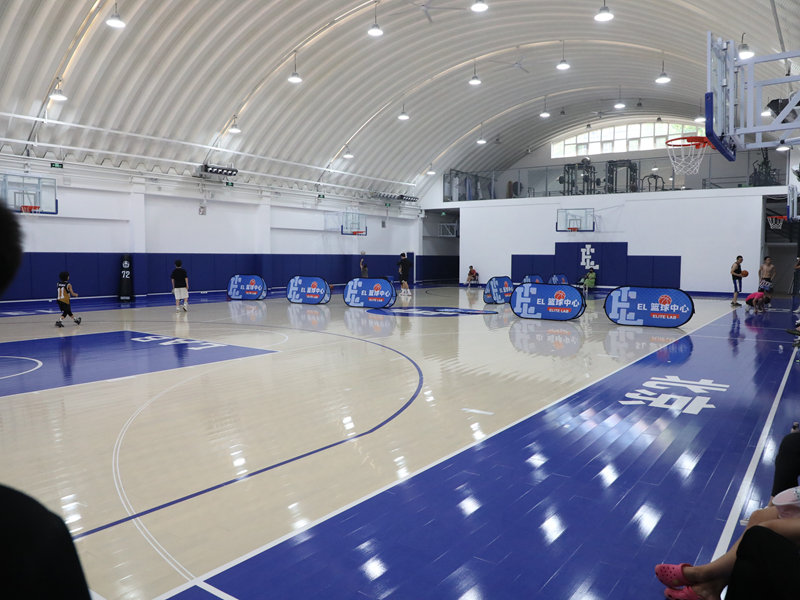
Environmental factors such as humidity, temperature, and lighting can have a significant impact on the performance and longevity of sports wood flooring. Understanding these factors and taking steps to mitigate their effects is essential for maintaining a safe, high-performance playing surface.
Humidity is one of the most critical environmental factors affecting sports wood flooring. Wood is a hygroscopic material, meaning it absorbs and releases moisture based on the surrounding environment. High humidity levels can cause the wood to swell and warp, leading to gaps between panels, uneven surfaces, and reduced shock absorption capabilities. Conversely, low humidity levels can cause the wood to shrink and crack, compromising its structural integrity and safety. To mitigate these effects, it's important to maintain a consistent humidity level within the facility using a dehumidifier or humidifier as needed.
Temperature also plays a role in sports wood flooring performance. Extreme temperatures can cause the wood to expand or contract, leading to similar issues as those caused by humidity fluctuations. Additionally, high temperatures can accelerate the aging process of the wood and its finish, reducing its durability and appearance. To maintain optimal temperature conditions, ensure that the facility's HVAC system is functioning properly and adjust the thermostat settings as needed based on the season and usage patterns.
Lighting is another environmental factor that can impact sports wood flooring. Excessive exposure to direct sunlight can cause the wood to fade and discolor over time, affecting its aesthetic appeal. Additionally, harsh lighting can create glare on the surface, making it difficult for athletes to see and perform at their best. To mitigate these effects, consider using window treatments such as blinds or curtains to block direct sunlight and install appropriate lighting fixtures that provide even, glare-free illumination.
In addition to these environmental factors, it's also important to consider the impact of foot traffic, equipment, and cleaning products on sports wood flooring. Heavy foot traffic and equipment can cause wear and tear on the surface, while harsh cleaning products can damage the finish and wood fibers. To protect the floor, use appropriate mats or rugs in high-traffic areas, avoid dragging heavy equipment across the surface, and use mild, pH-neutral cleaning products specifically designed for wood floors.
In conclusion, environmental factors such as humidity, temperature, and lighting can significantly impact the performance and longevity of sports wood flooring. By understanding these factors and taking steps to mitigate their effects, facility owners and managers can maintain a safe, high-performance playing surface that enhances the overall experience for athletes and spectators alike.
Leave a Reply